We had quite an energetic Twitter conversation about those deserted farms north of Cardiff.
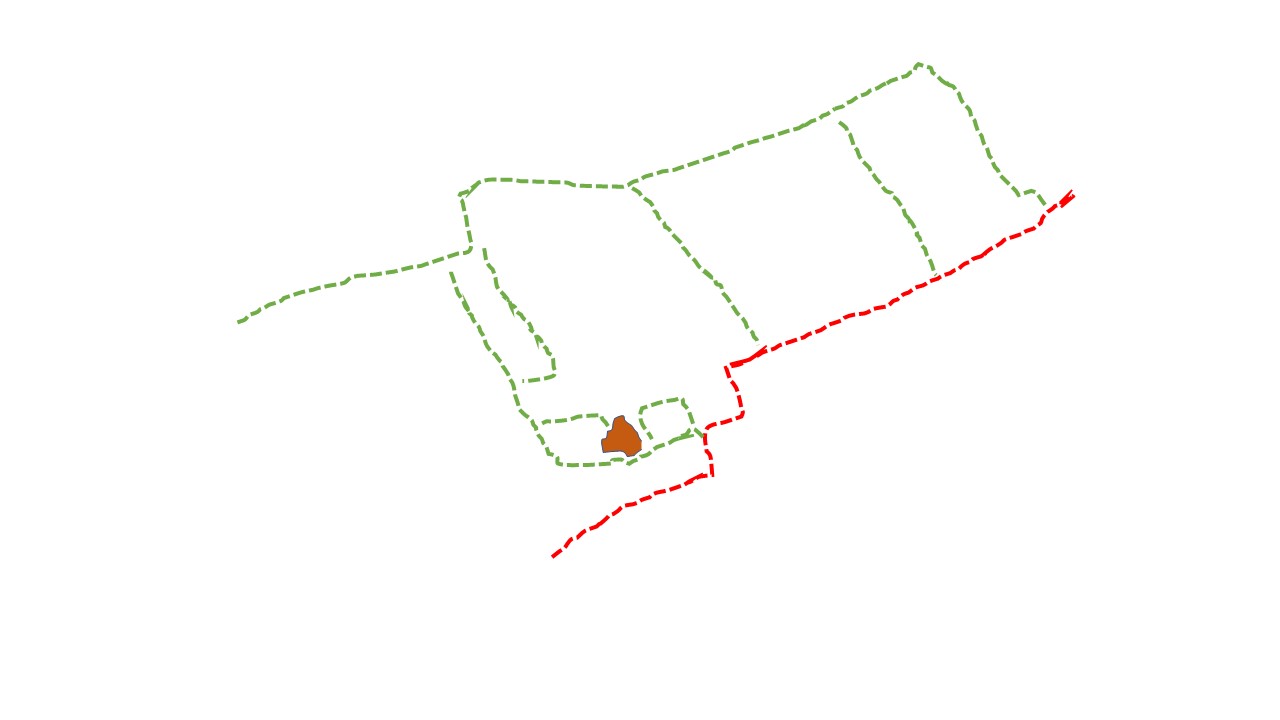
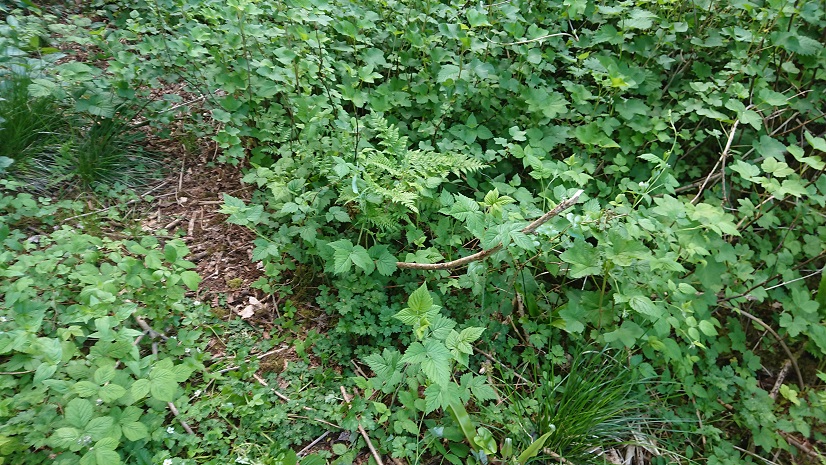
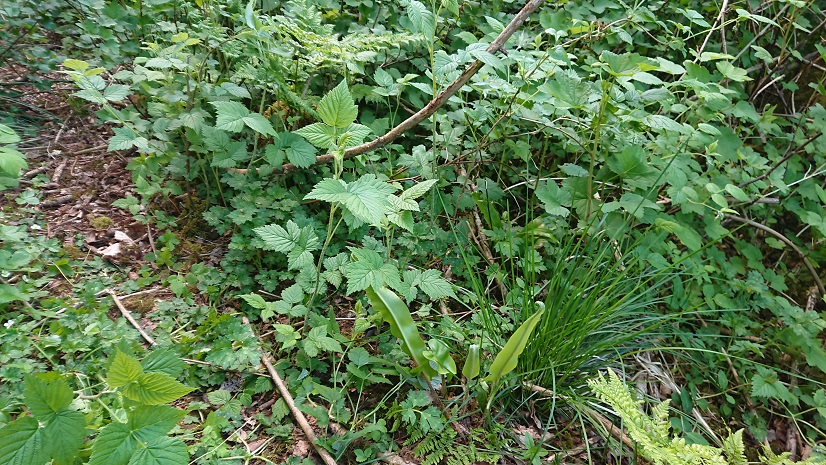
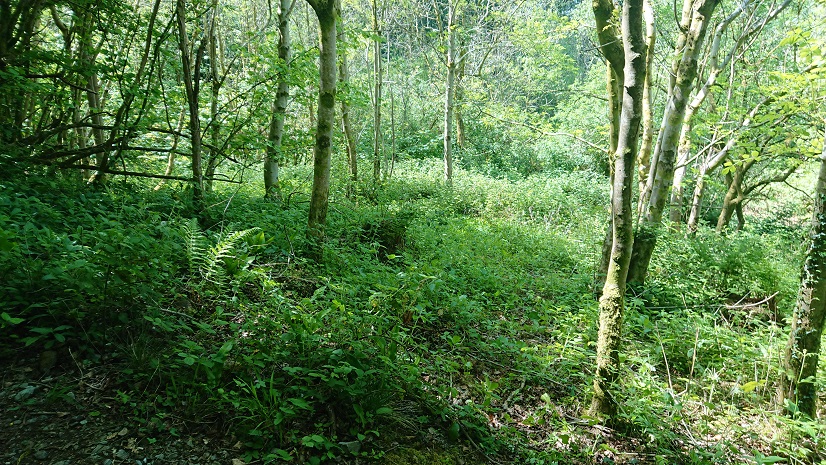
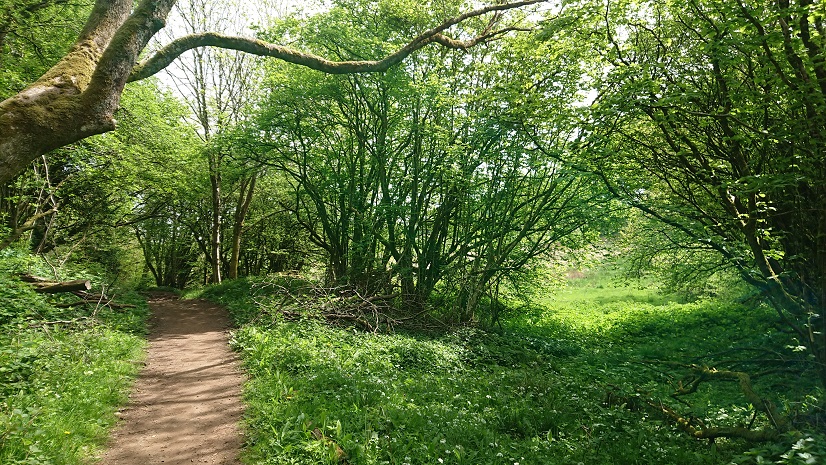
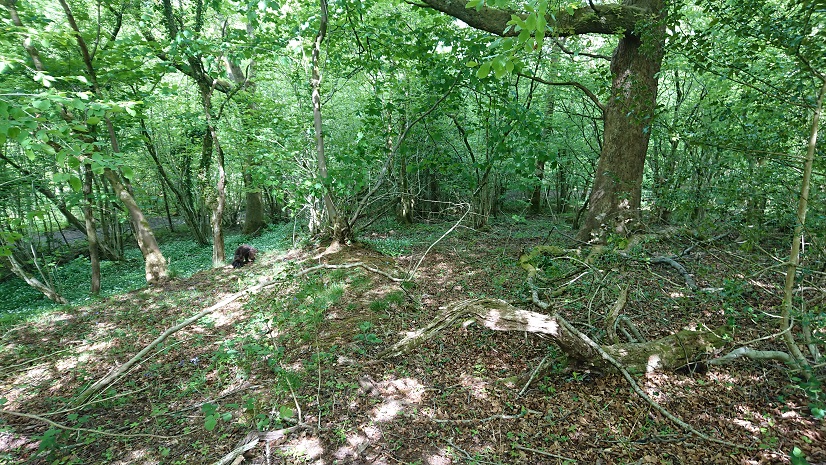
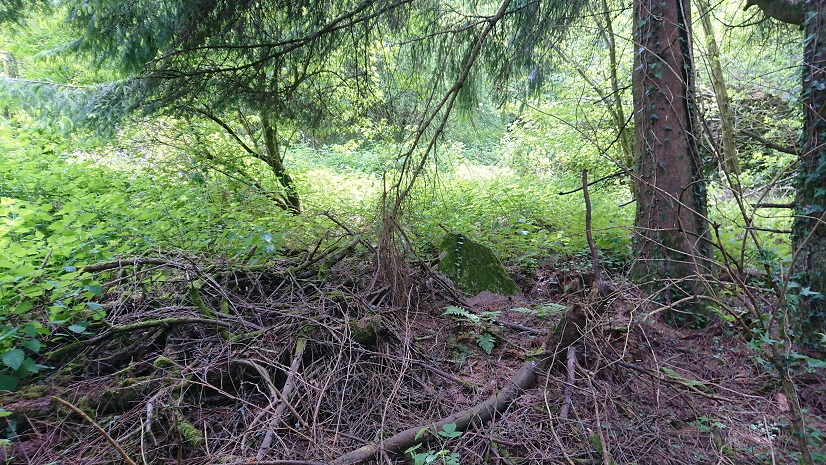
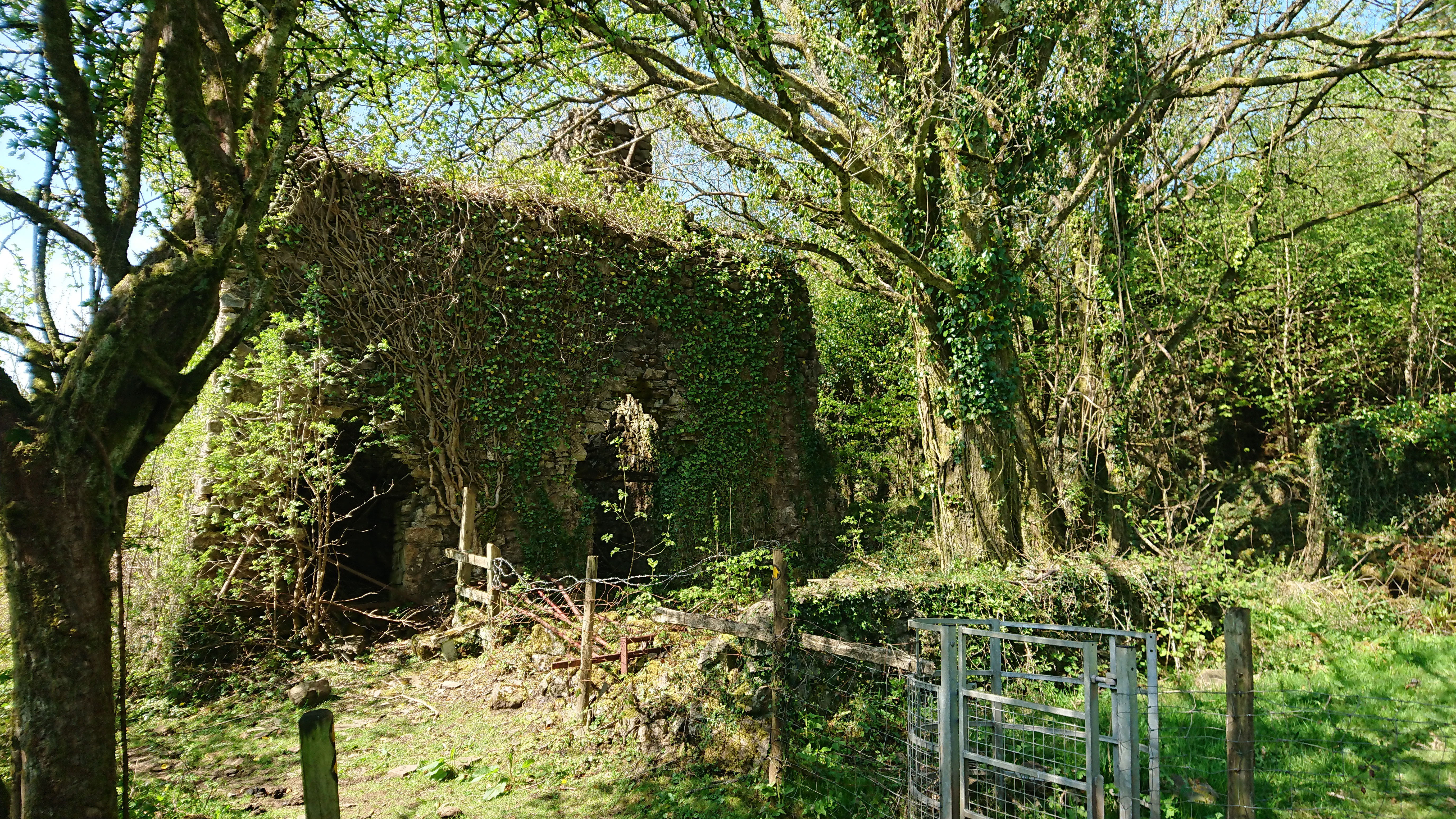
@mikekohnstamm drew my attention to Deri-Duon, which is amazingly in the middle of Lisvane, in the fields between Lisvane church and the reservoir.
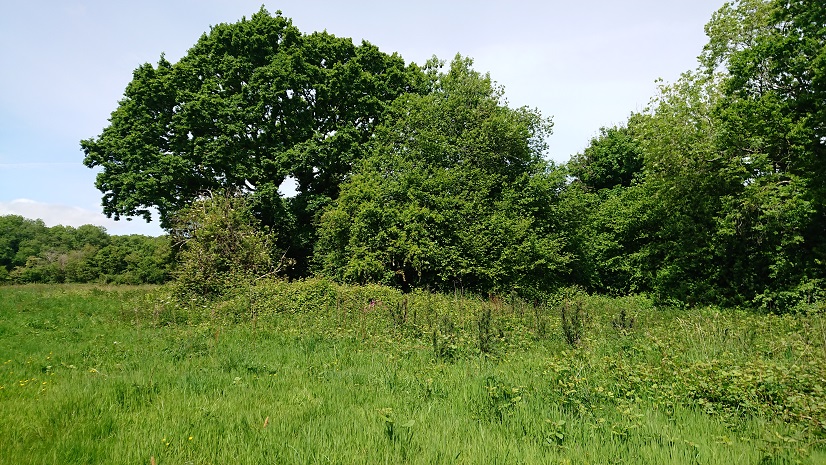
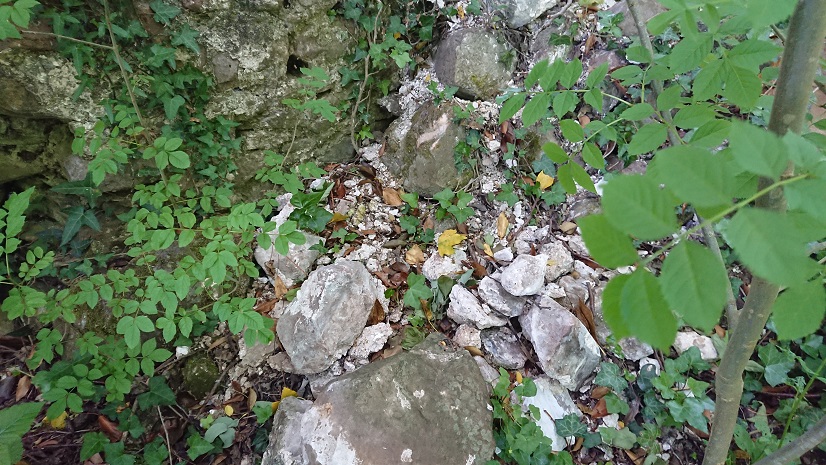
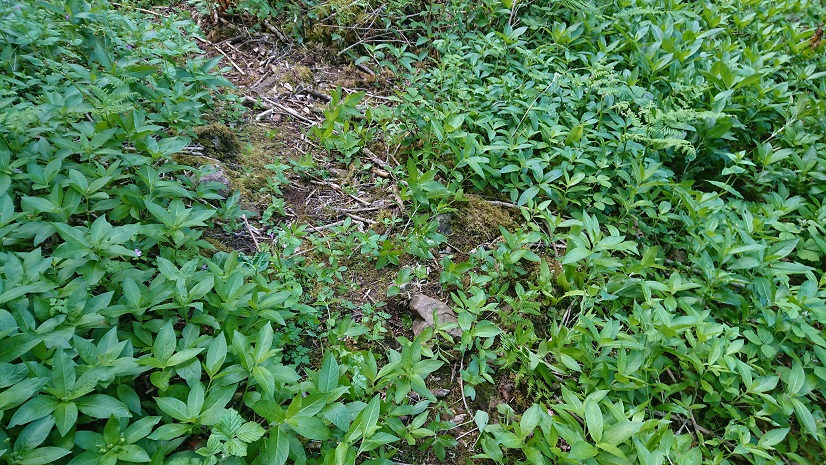
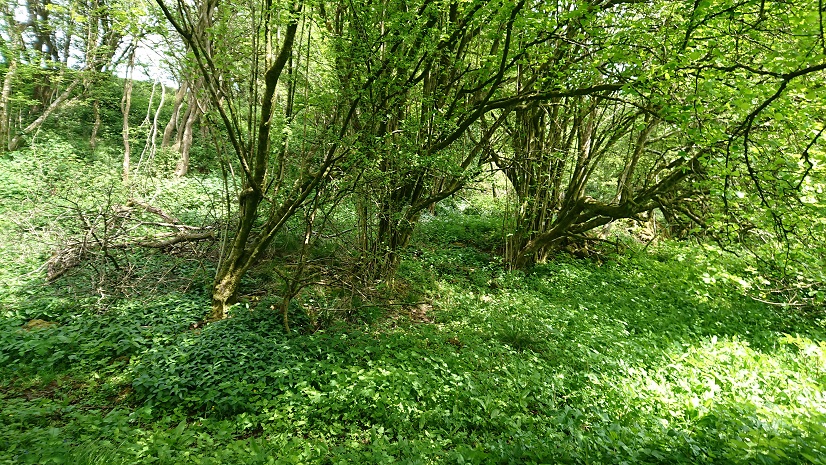
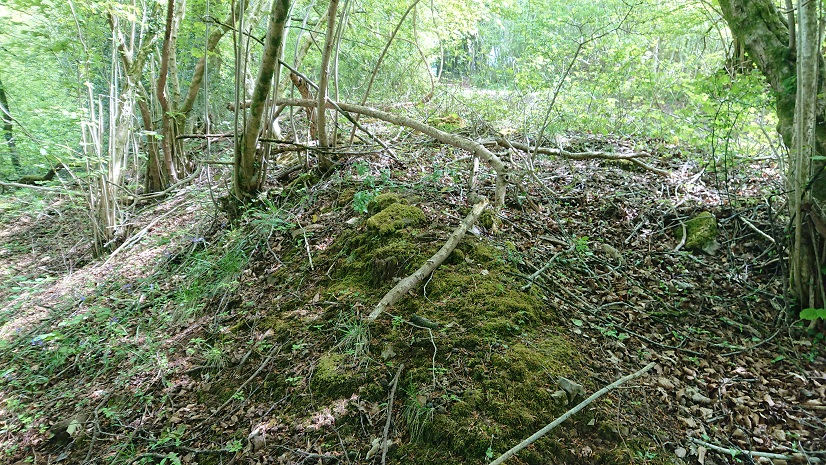
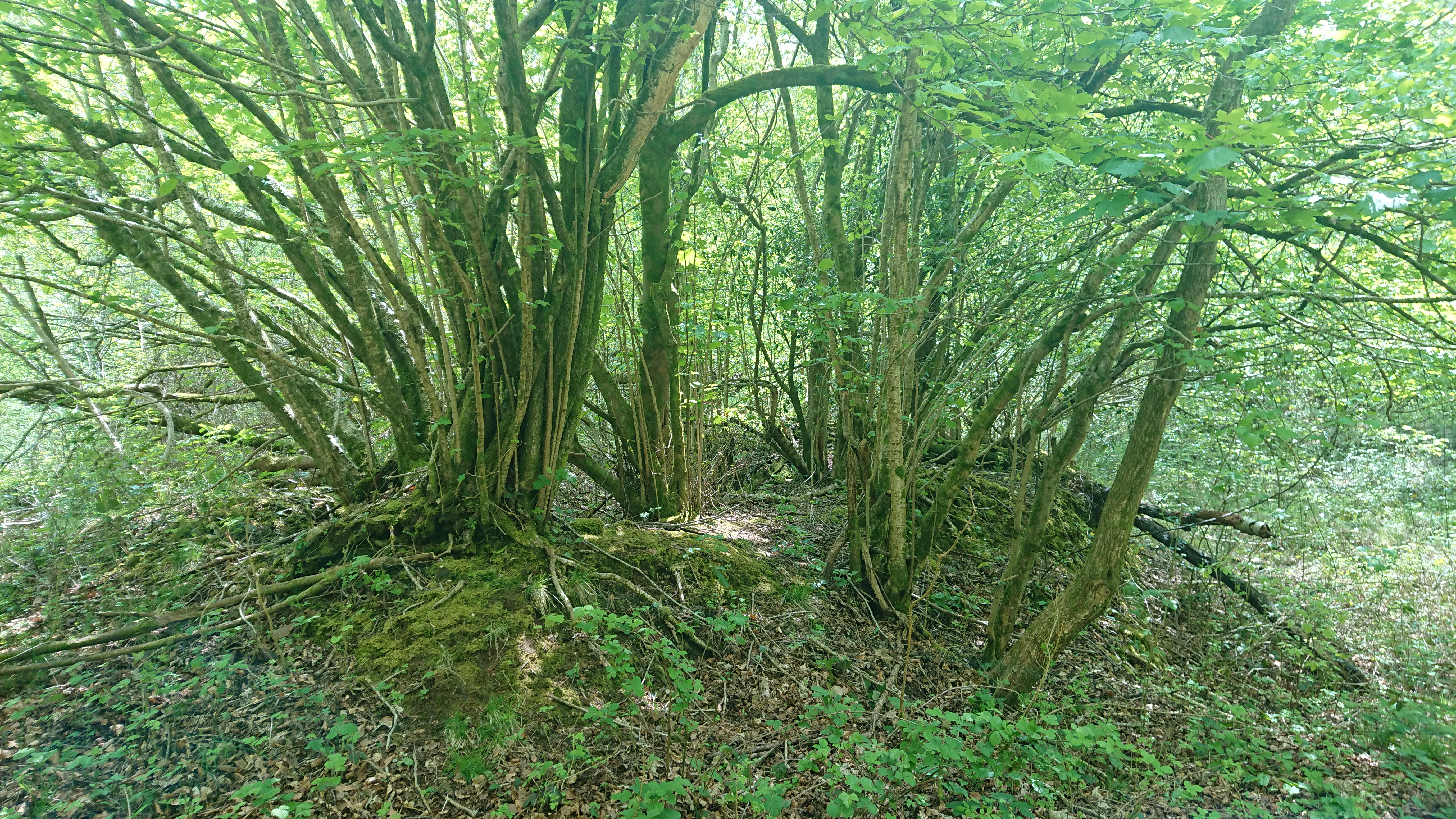
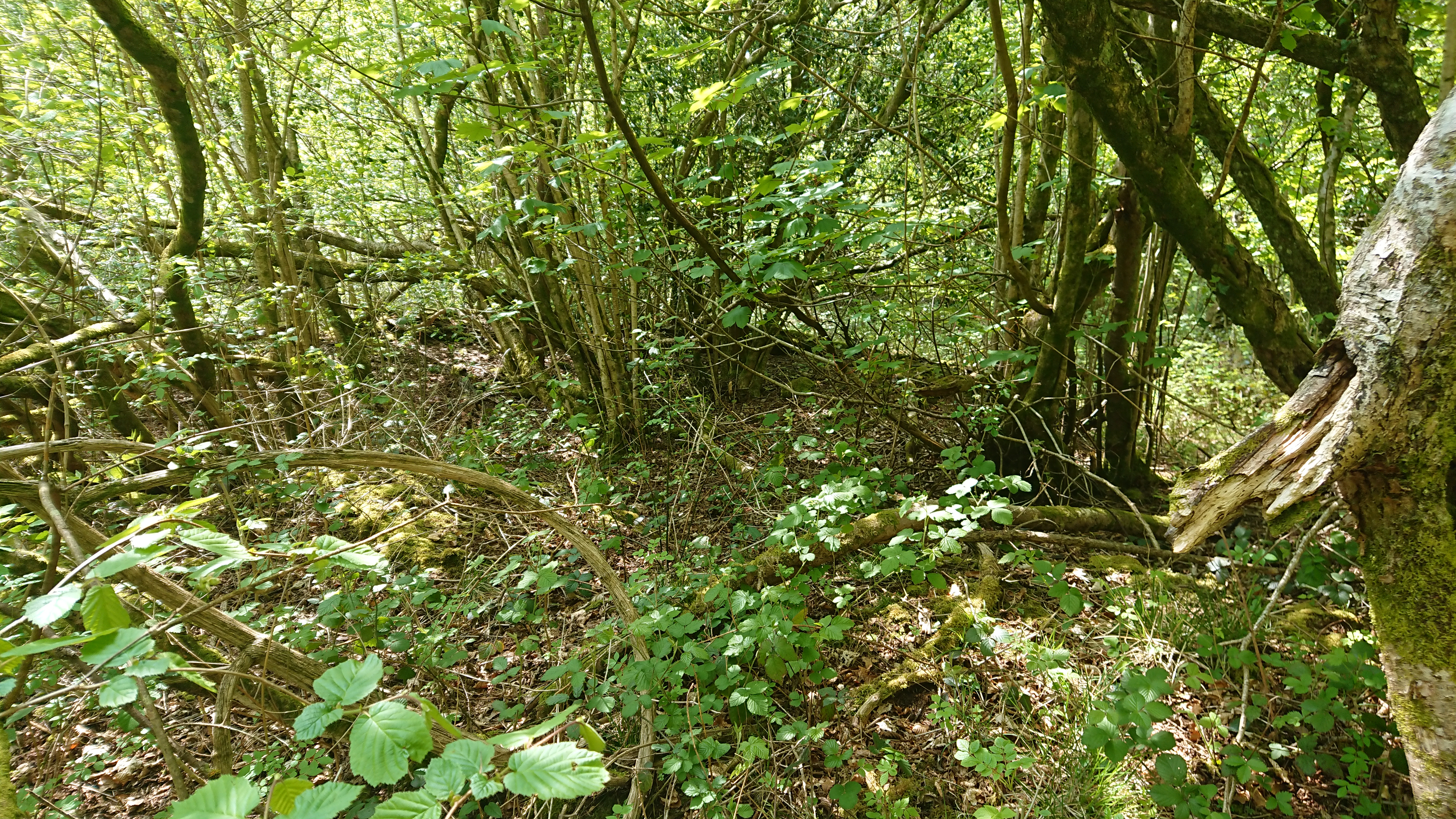
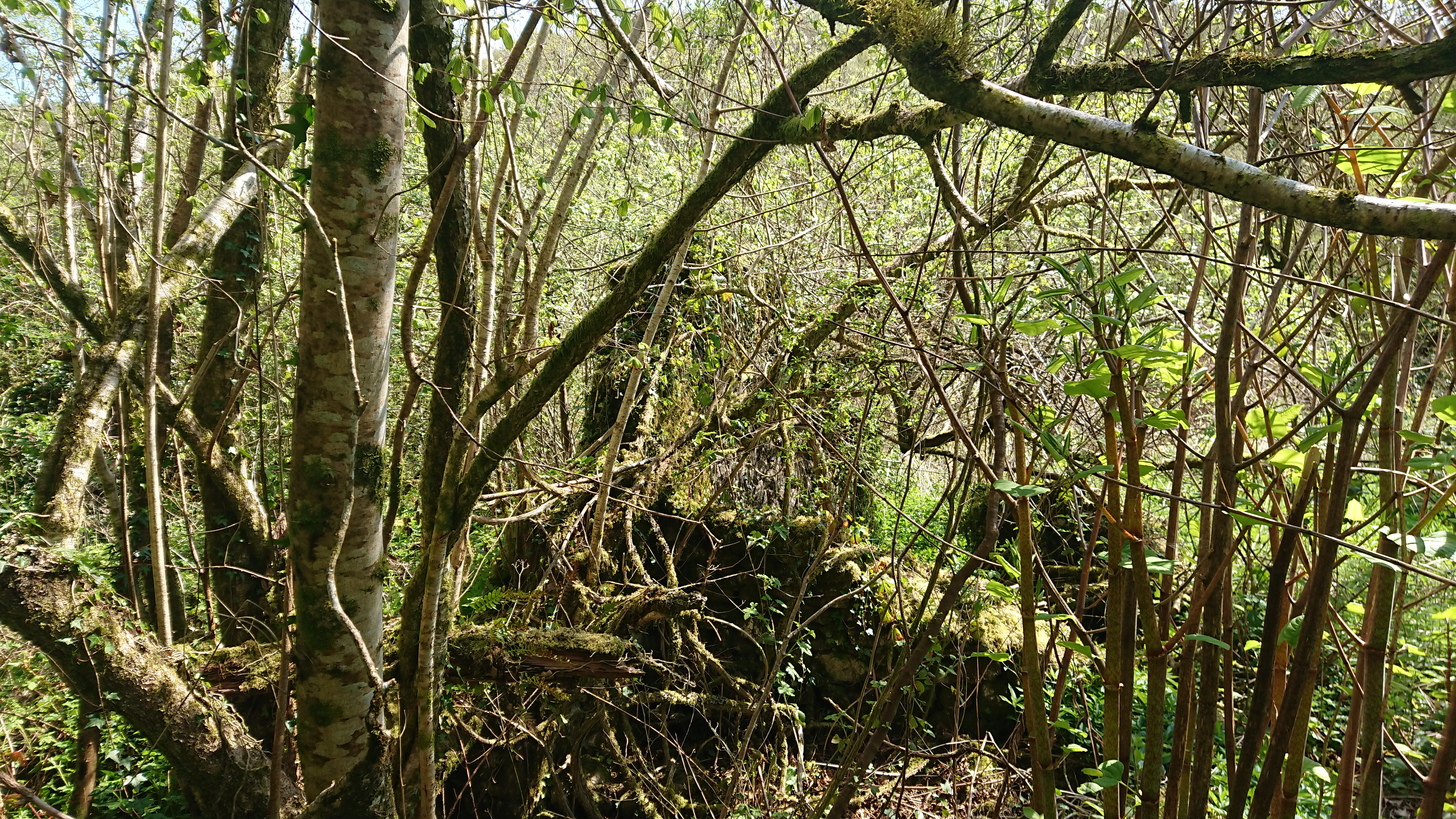
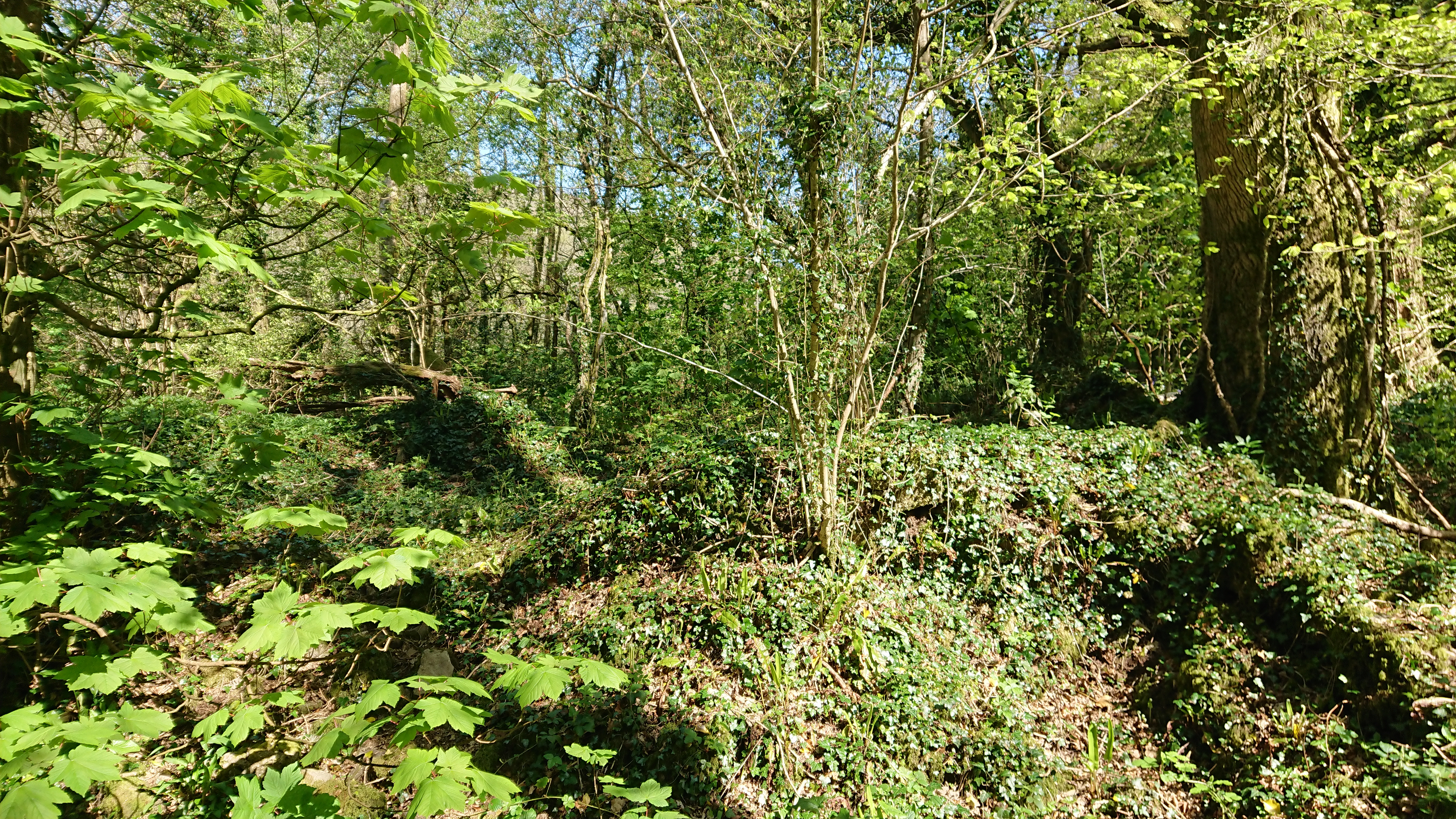
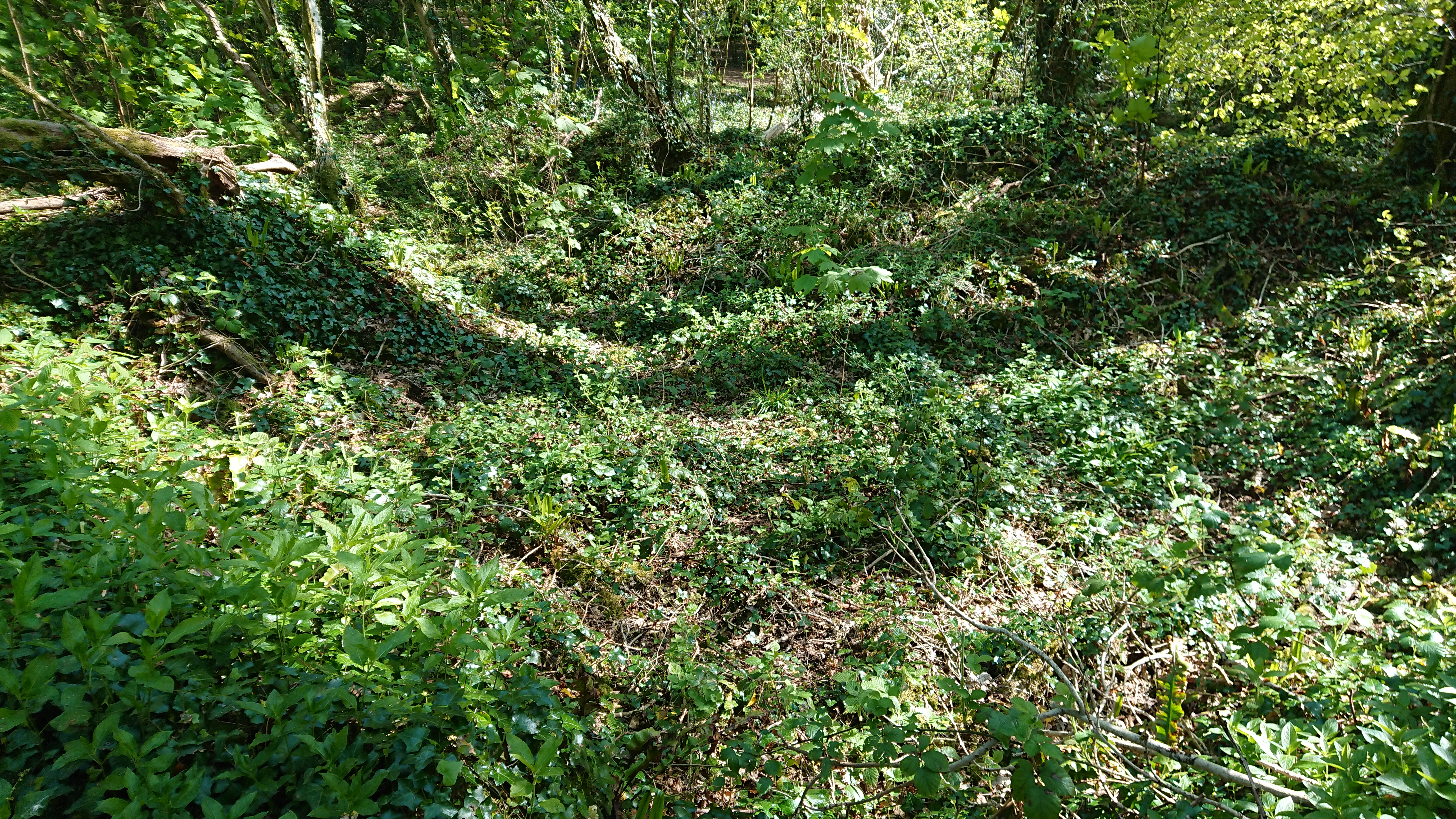
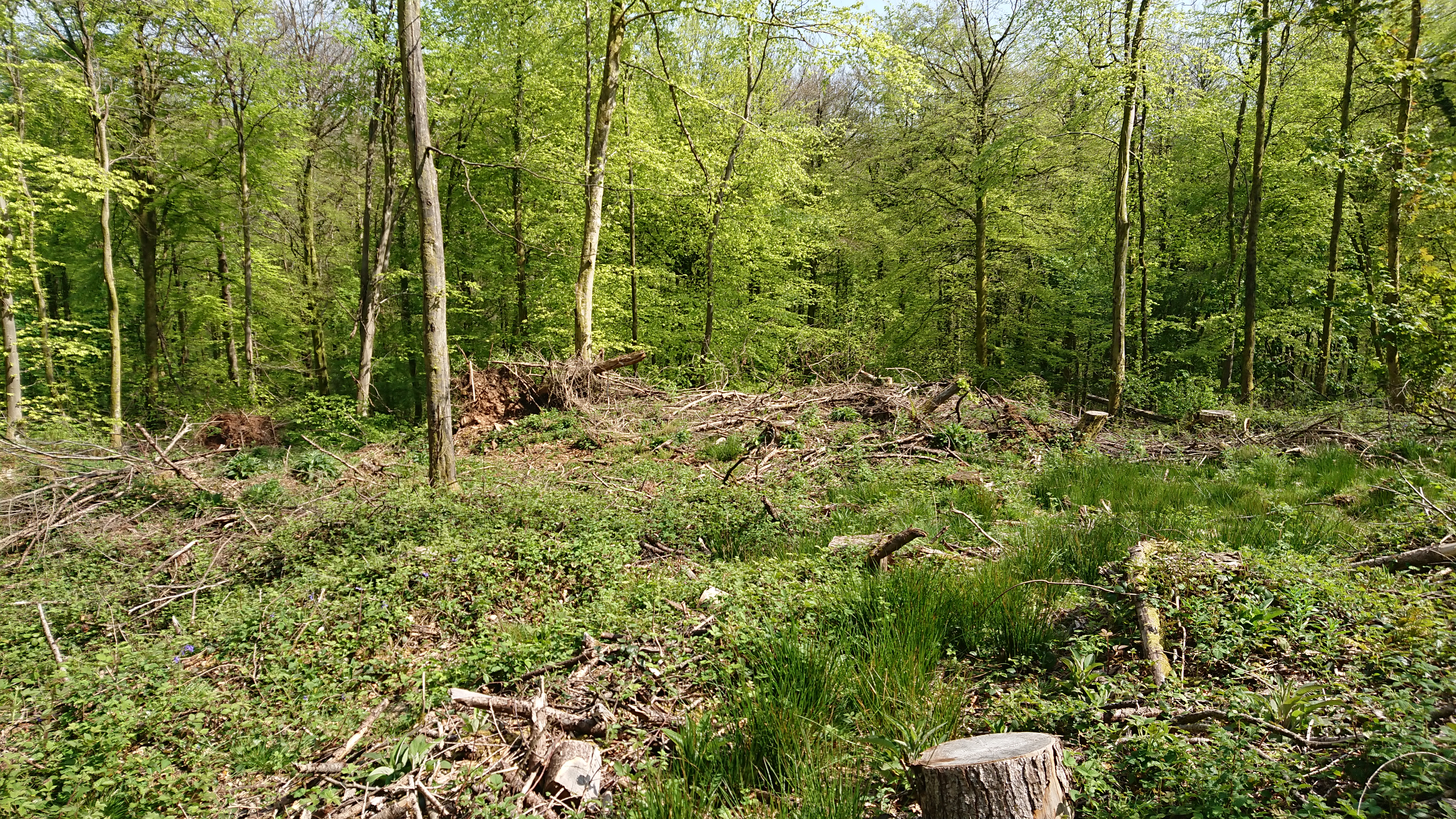
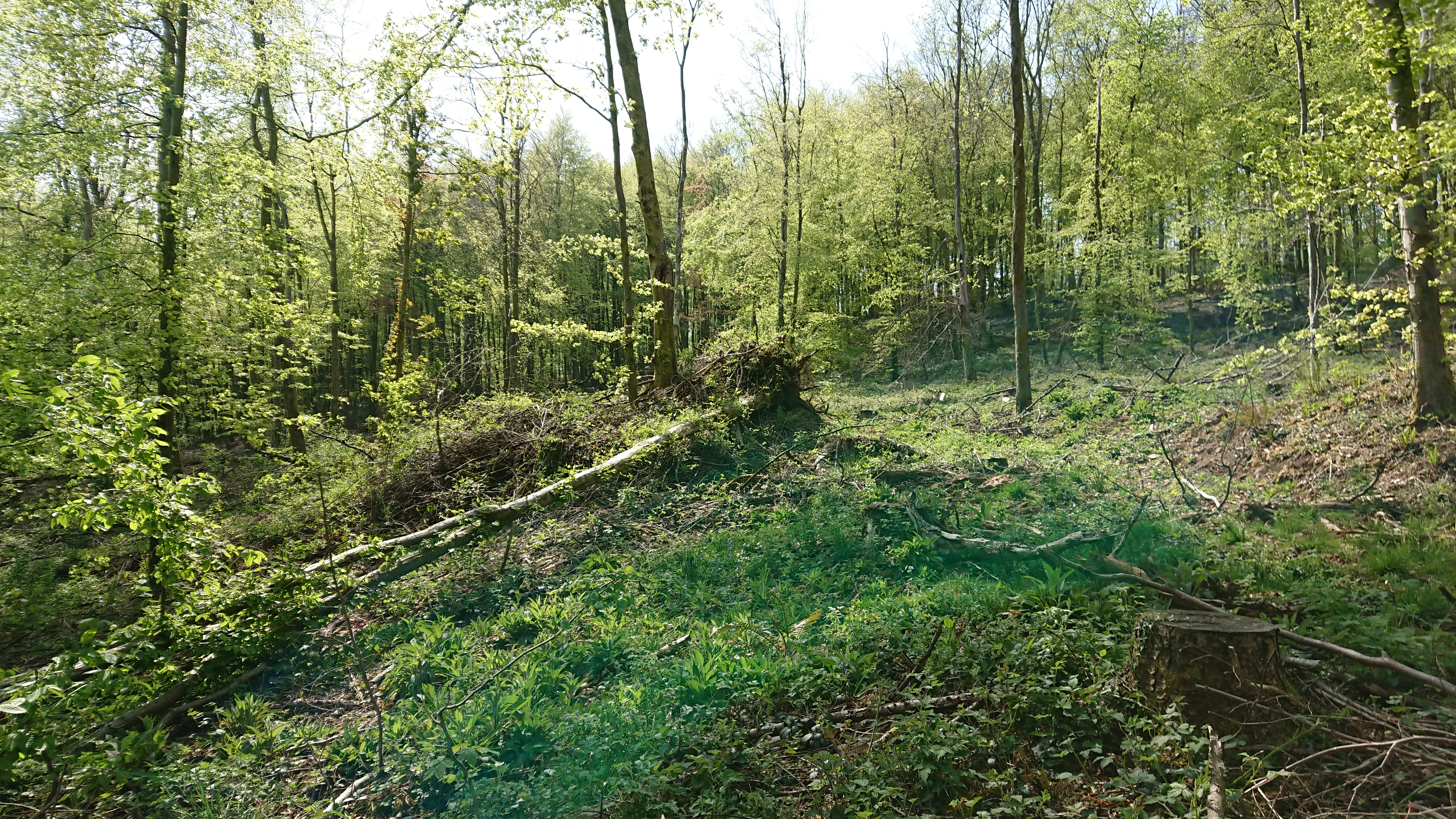
It’s marked as a ‘cottage and garden’ on the tithe plan, part of the Morgan estate and occupied by a David Thomas. You can just about see the garden boundary under the bushes.
The Royal Commission on Ancient and Historical Monuments in Wales did an amazingly detailed survey of farmhouses and cottages in Glamorgan, published back in 1988. That describes Deri-duon as a ‘direct entry, end-chimney’ house: in other words, the main door was in the long side wall and went straight into the main room. The chimney was at one end of the house and the stairs to the upper floor was to the side of the fireplace. It was at one time thatched.
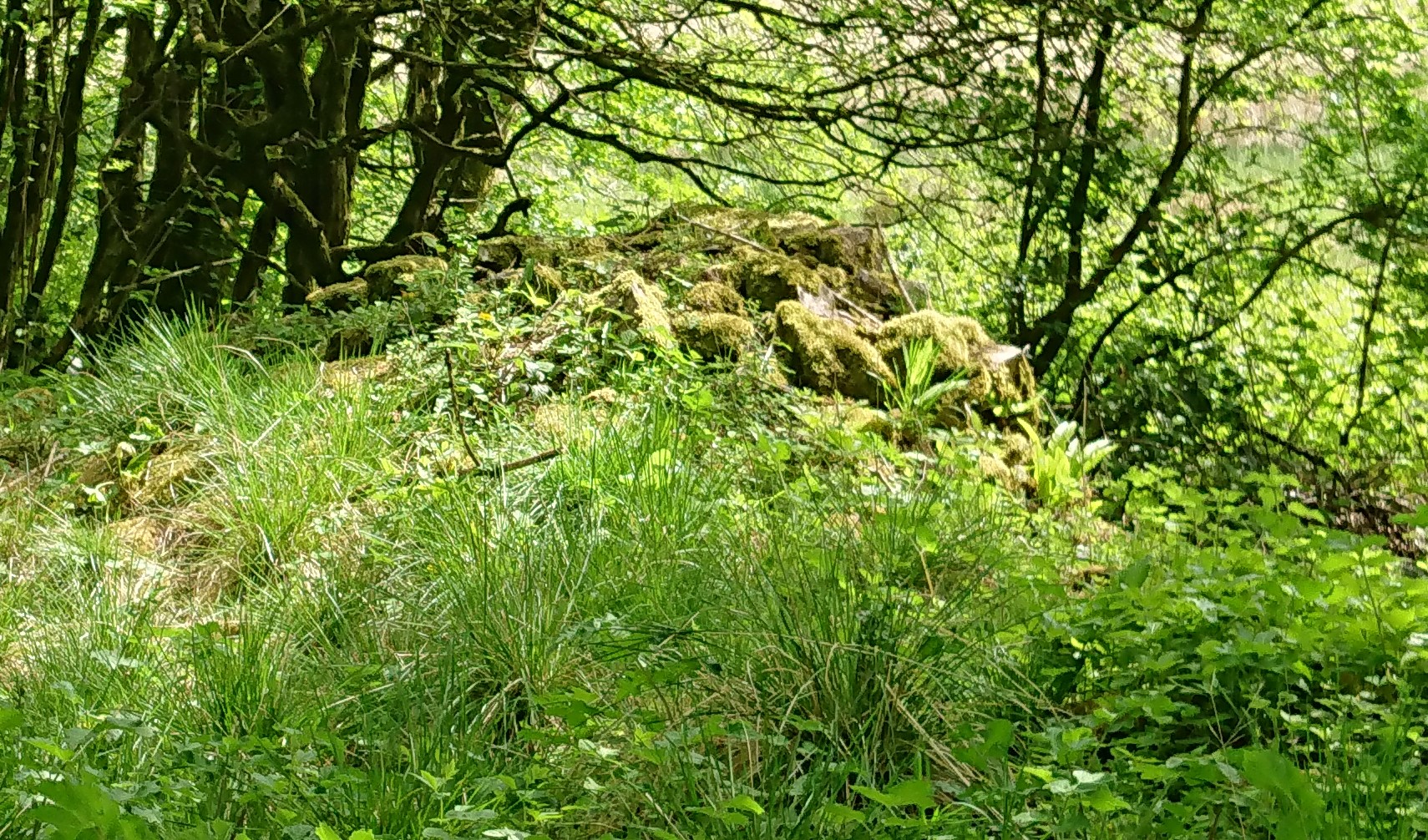
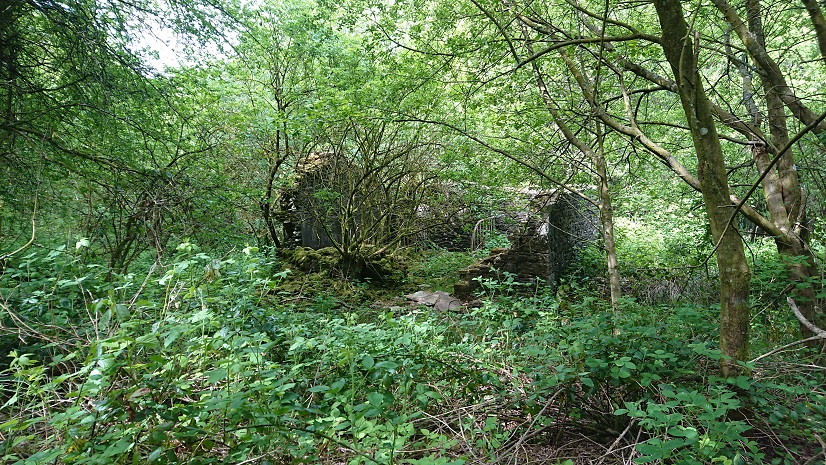
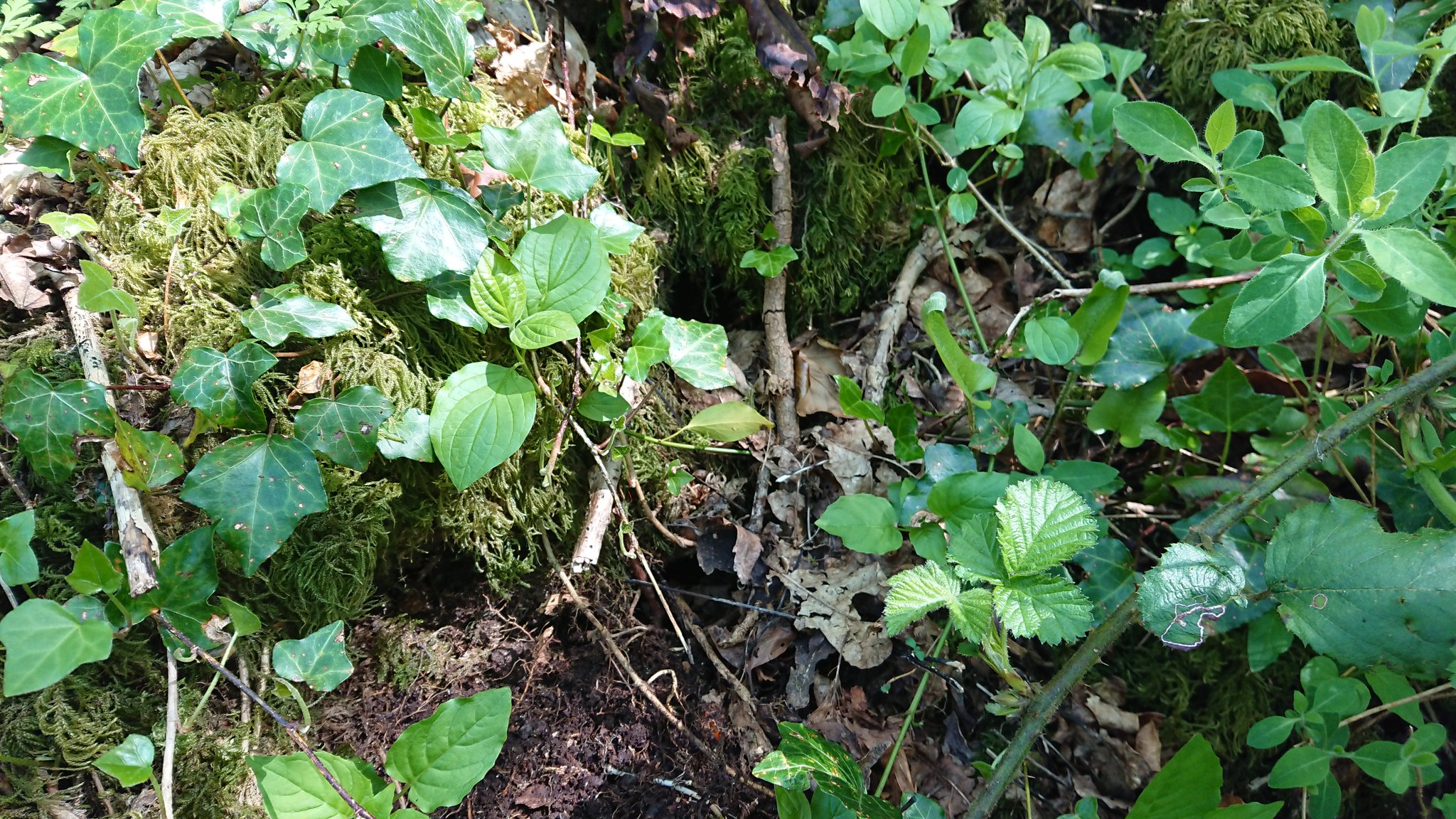
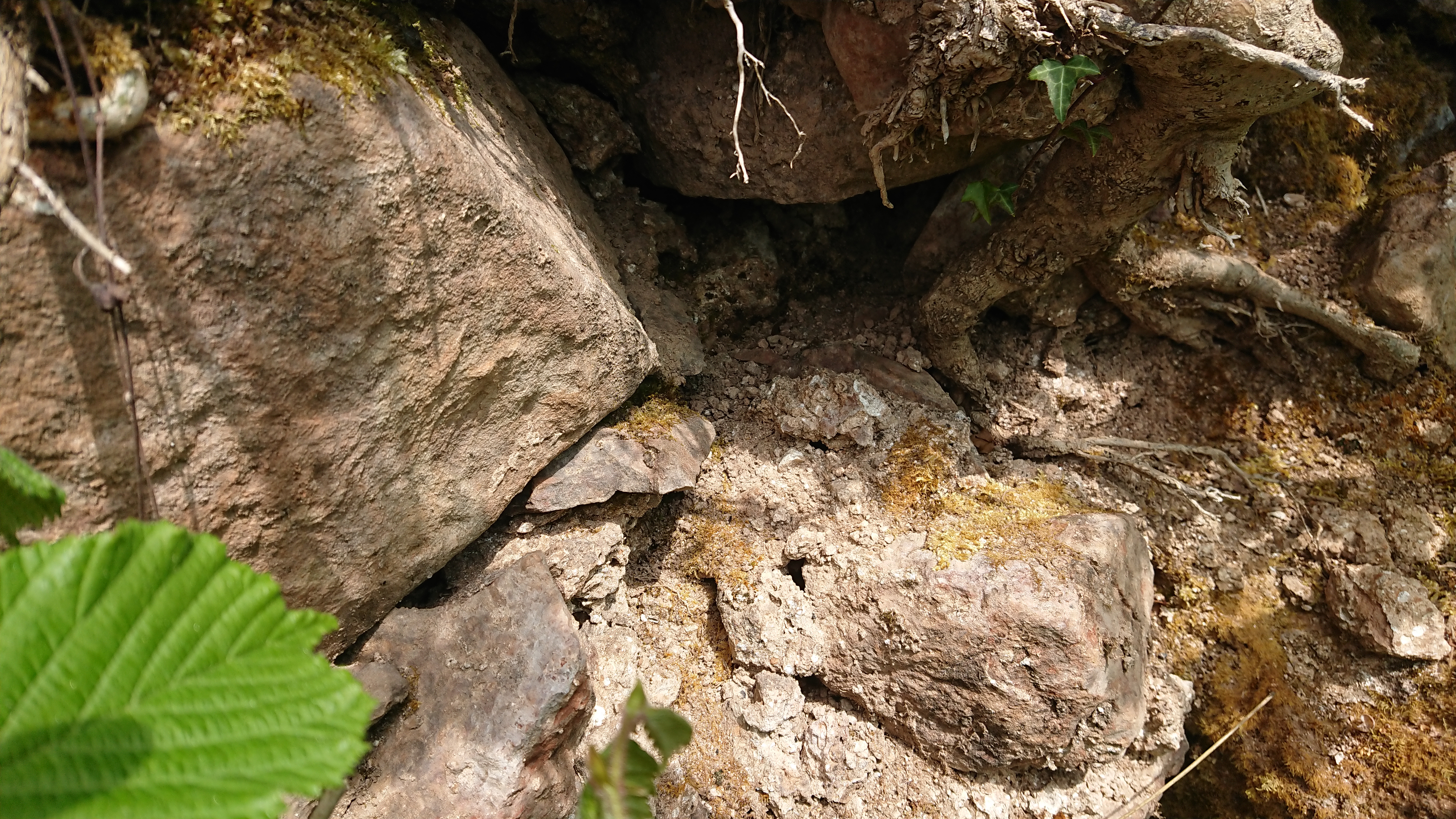
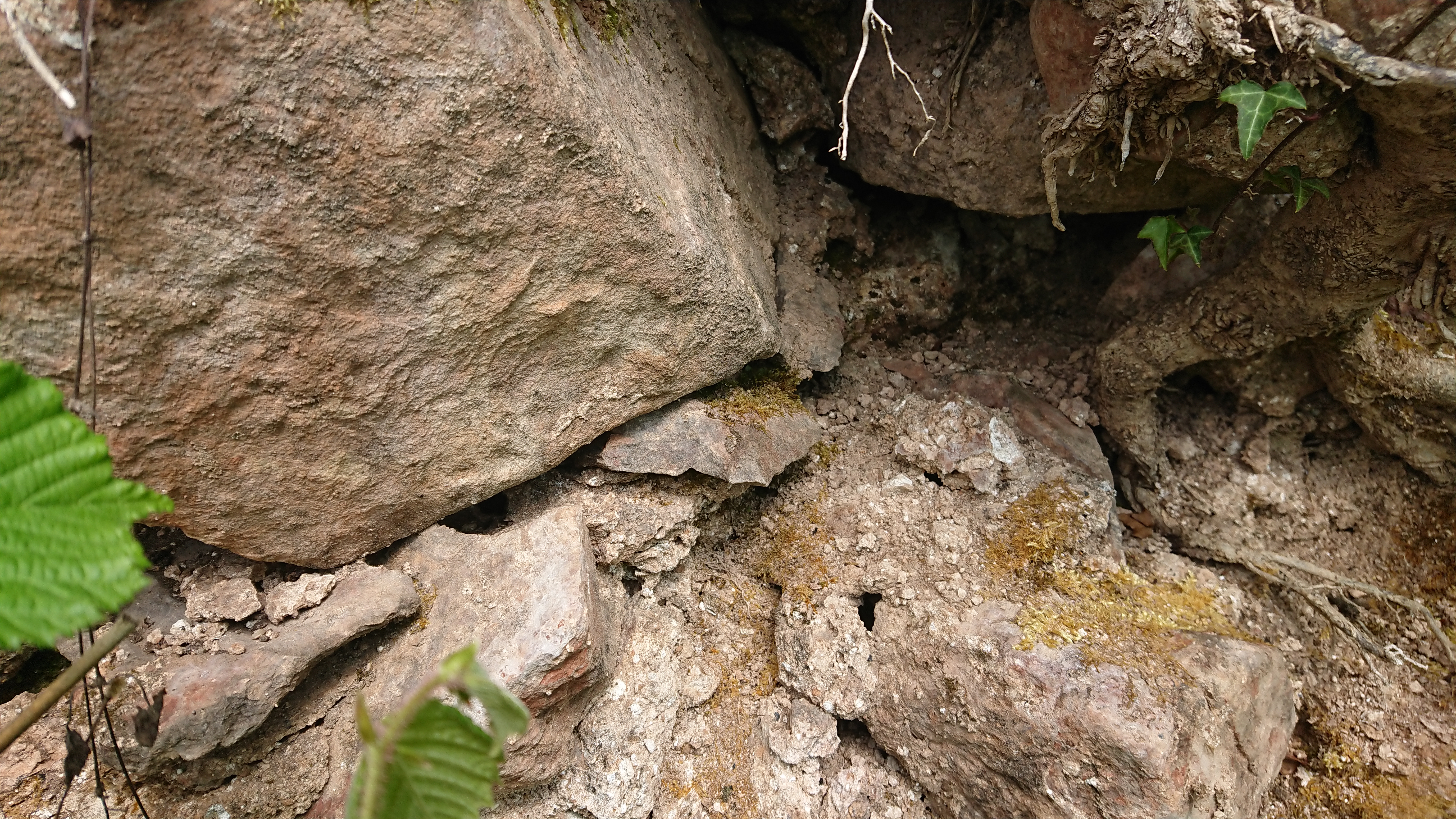
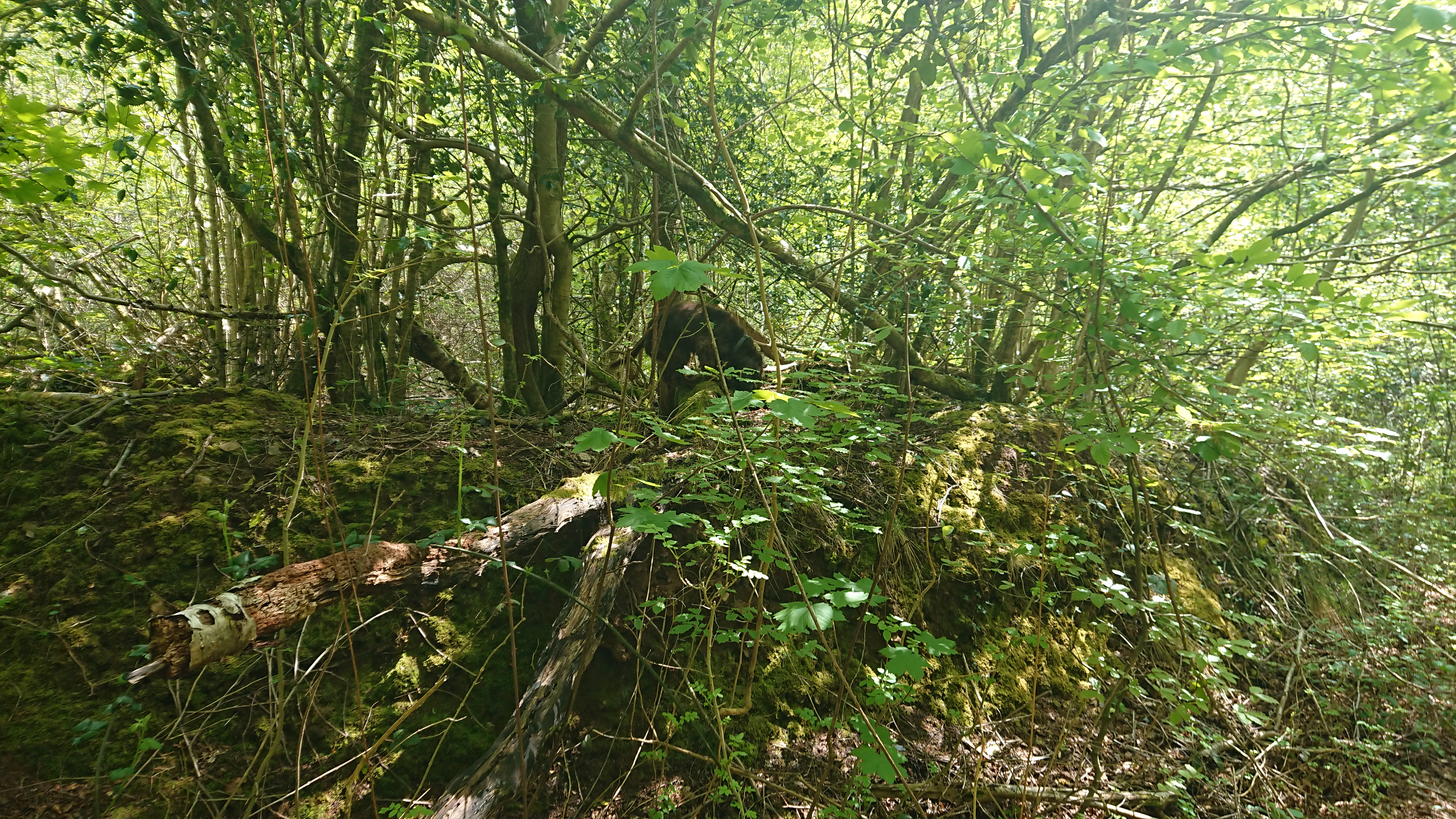
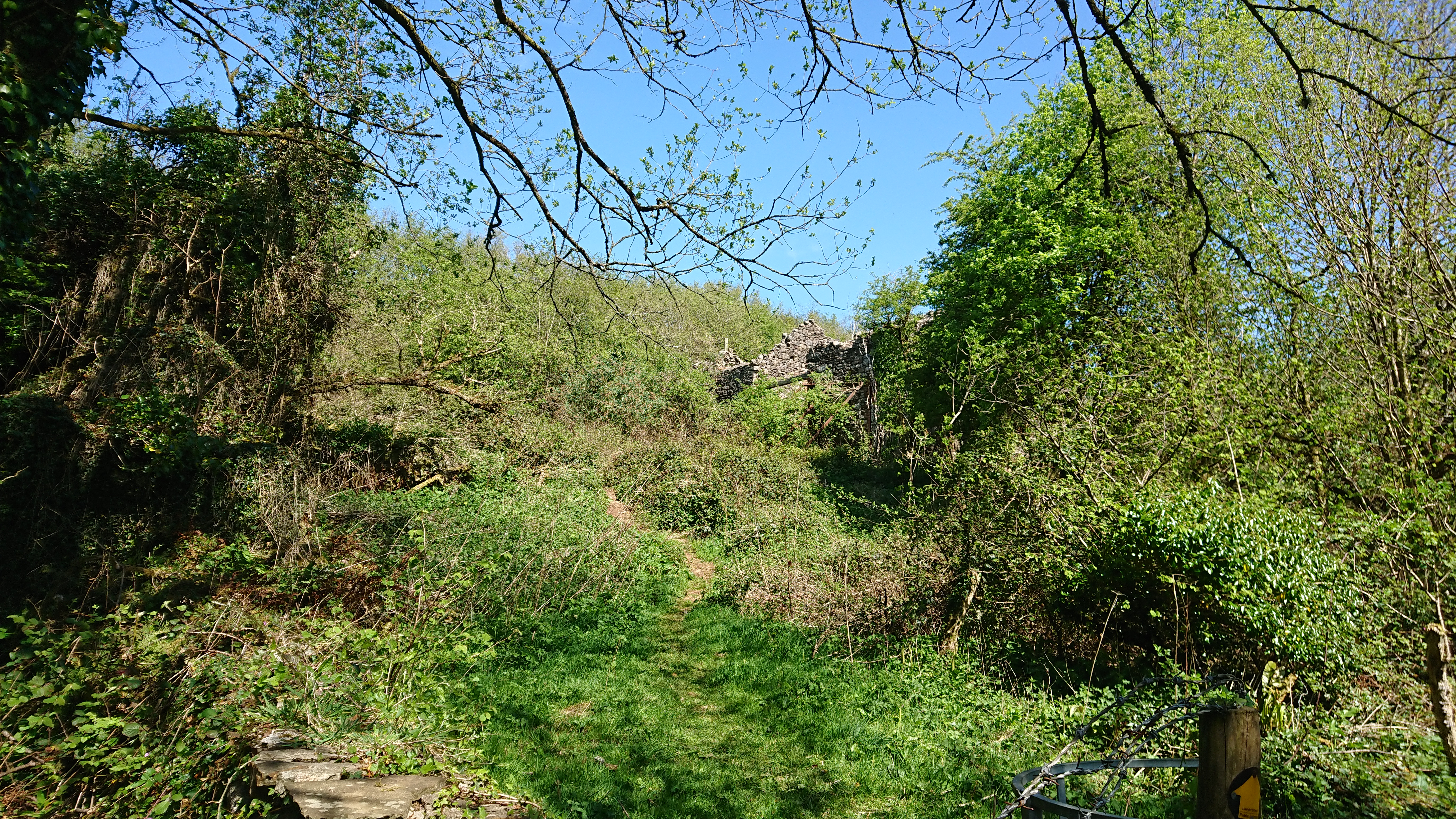
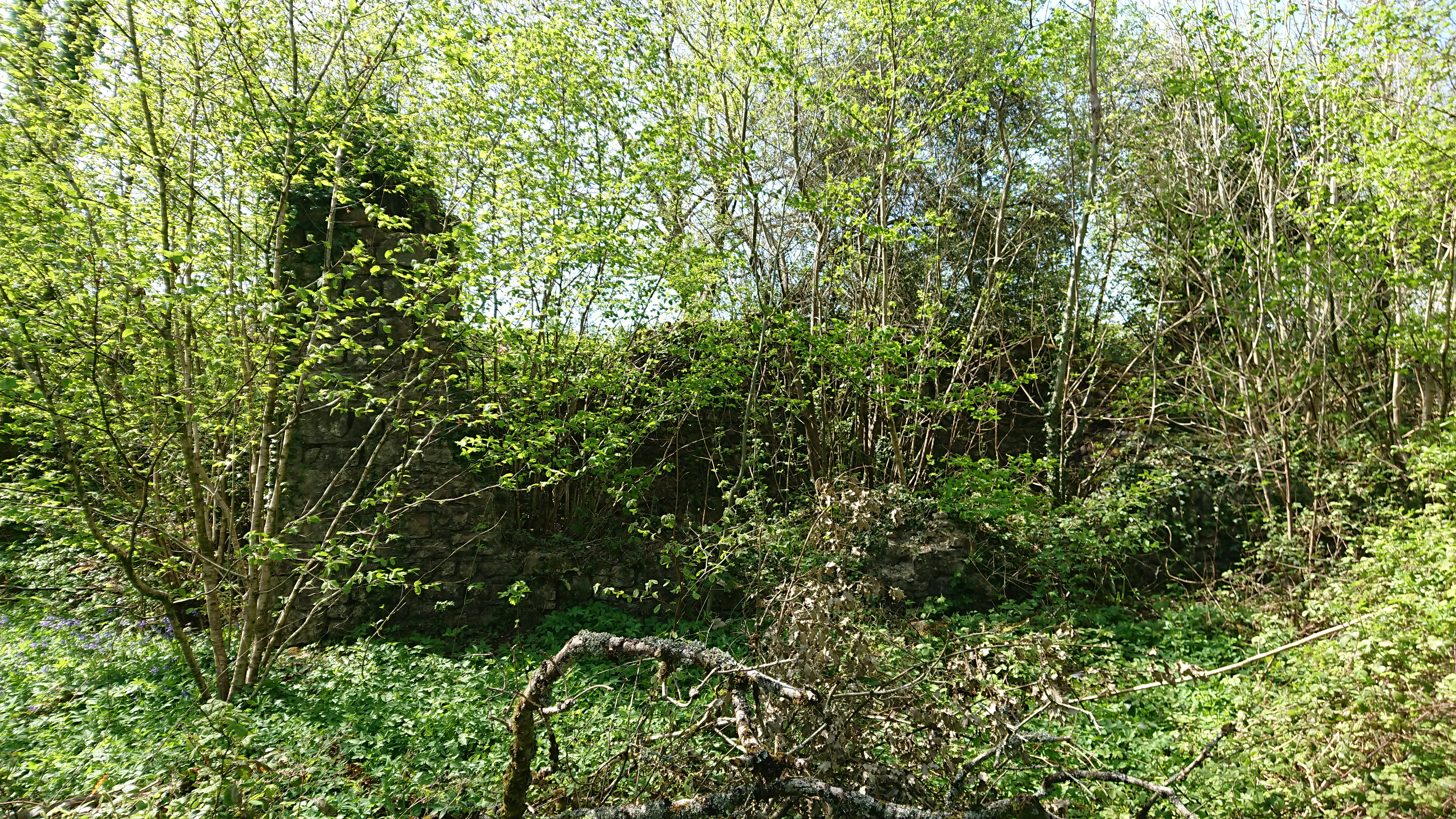
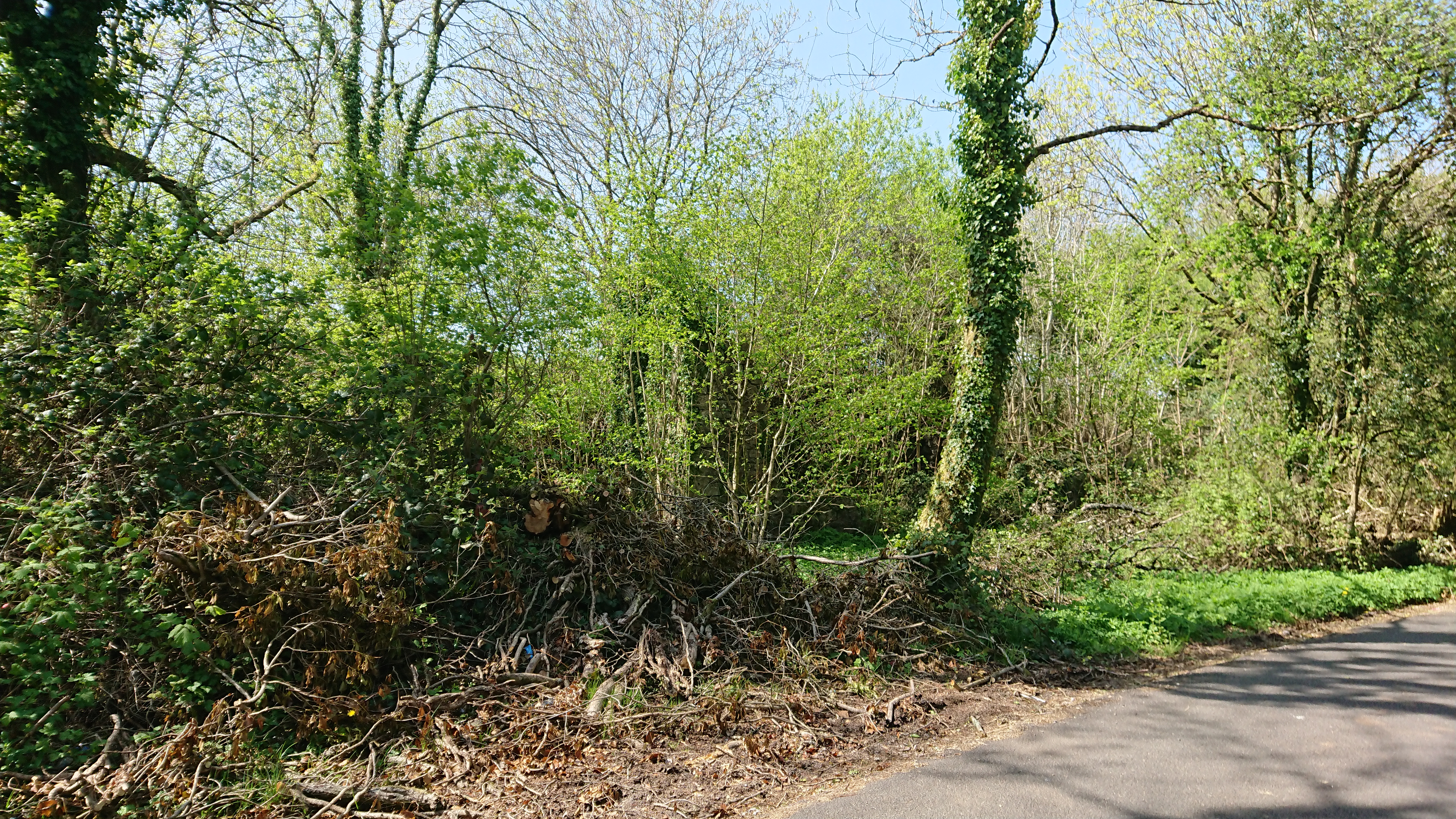
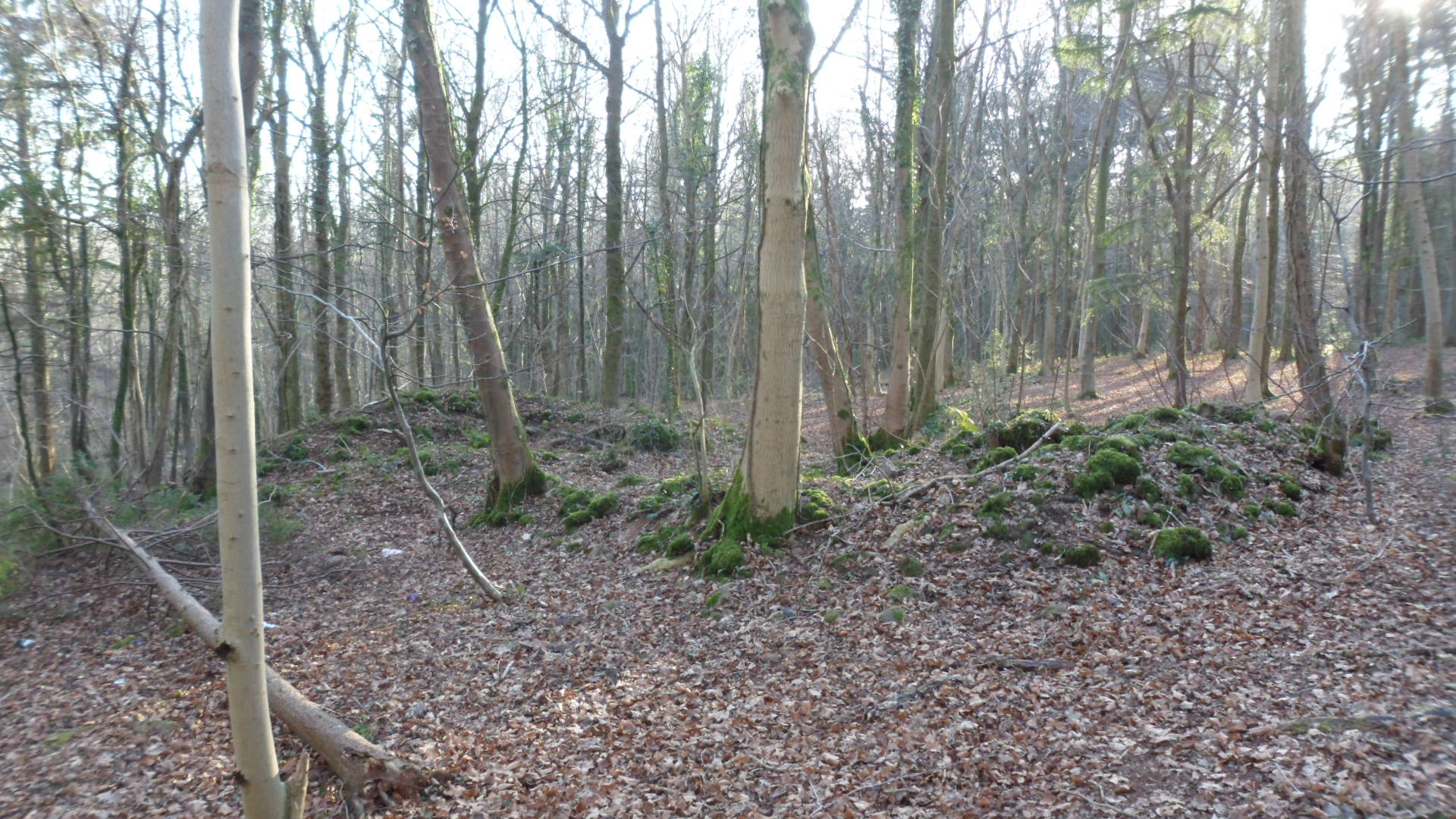
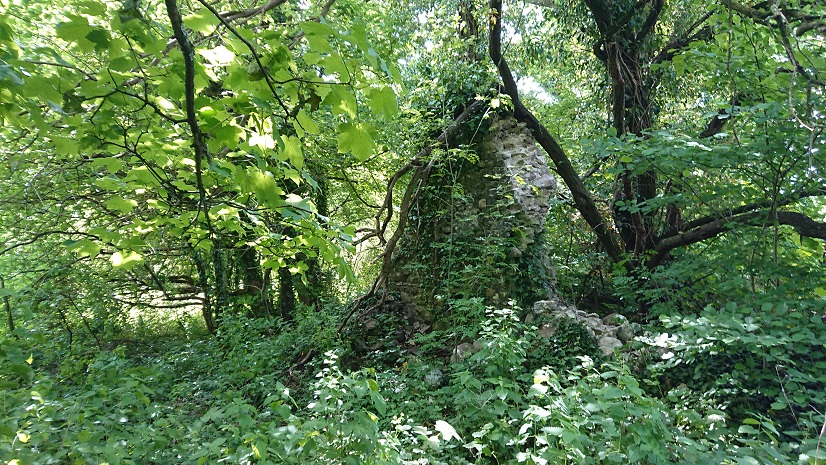
The house is still there on the early OS (must try to check the date on that) but now just the chimney end of the house remains standing plus walls under the ivy and brambles.
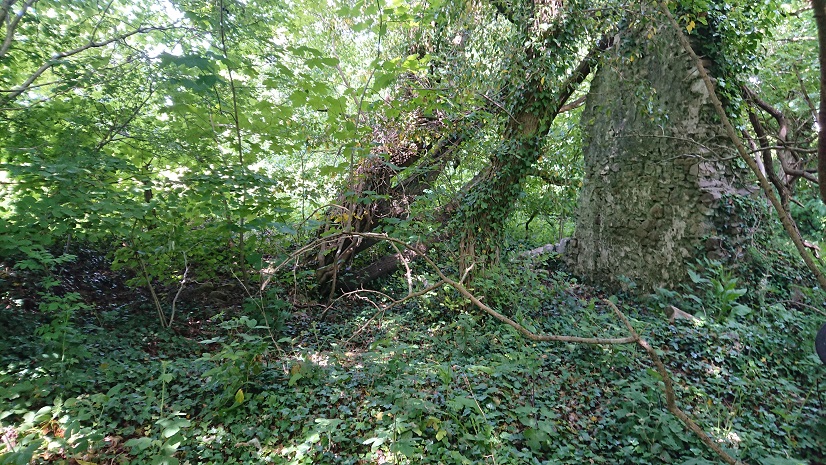
But how long will it be there? Apparently the whole area has been approved for building. This seems a serious mistake. Open spaces like the fields between Lisvane and the reservoirs are a vital resource – if there’s anything we’ve learned during the current epidemic, it’s the importance of open space for physical and mental well-being.
The Royal Commission inventory also includes two of the three Cefn-Carnau farms. Cefncarnau-fawr, the one now a complete ruin on the lane from Bwlch-y-cwm to the golf course, is described as a ‘hearth-passage house’, with the original entry into a lobby formed by one side of the great fireplace and the staircase in the angle at the other side of the fireplace. Cefncarnau-fawr started out in the late 17th century with a main downstairs room and a second unheated room to the west. Later on, a kitchen and cowhouse were added to the east, and later again an extension to the north, towards the lane. Cefncarnau-uchaf must have been completely rebuilt, but it was originally like Deri-duon, with the main door in the long side wall and the staircase in the angle of the fireplace. Oddly enough, the inventory doesn’t mention Cefncarnau-Fach, nor any of the other deserted farmsteads I’ve been looking at. (I did check the grid reference for Cefncarnau-uchaf in the RCAHMW inventory and it’s the one at the top of Cefncarnau Lane, the one marked as Cefncarnau-uchaf on the OS map.)
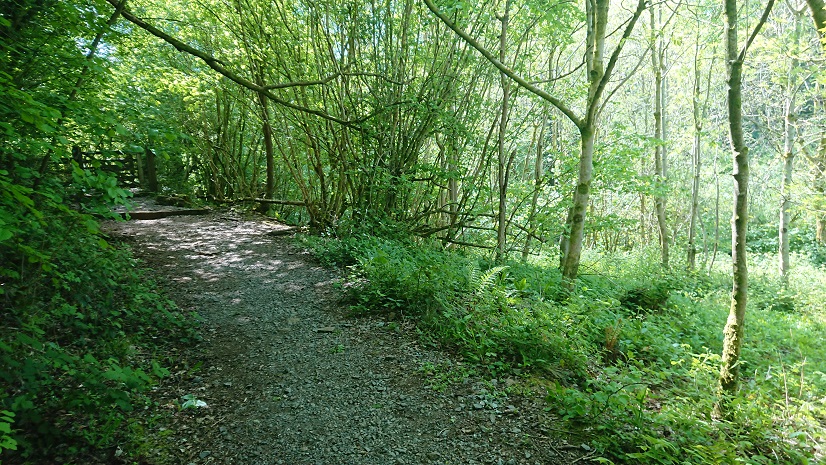
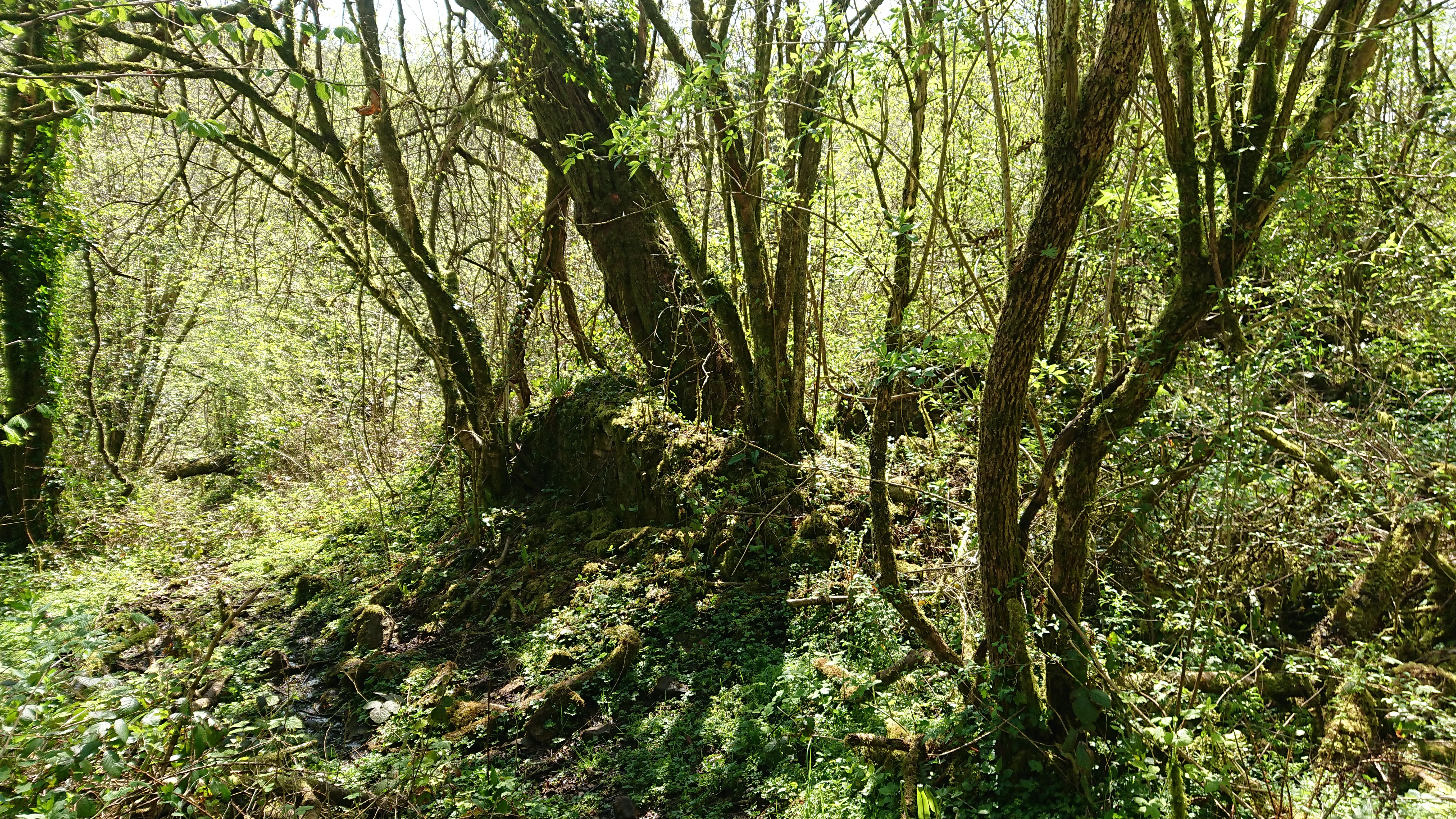
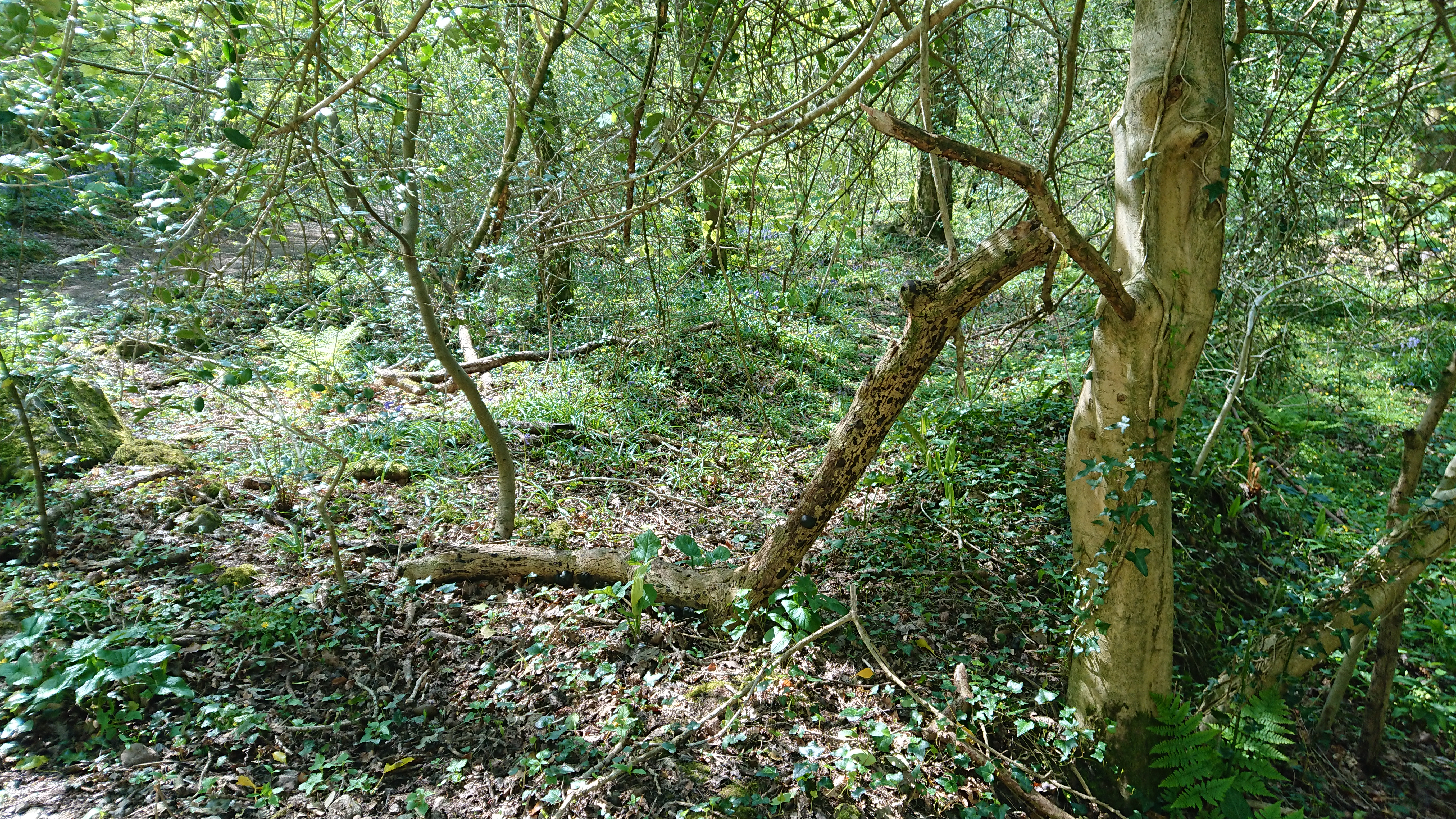
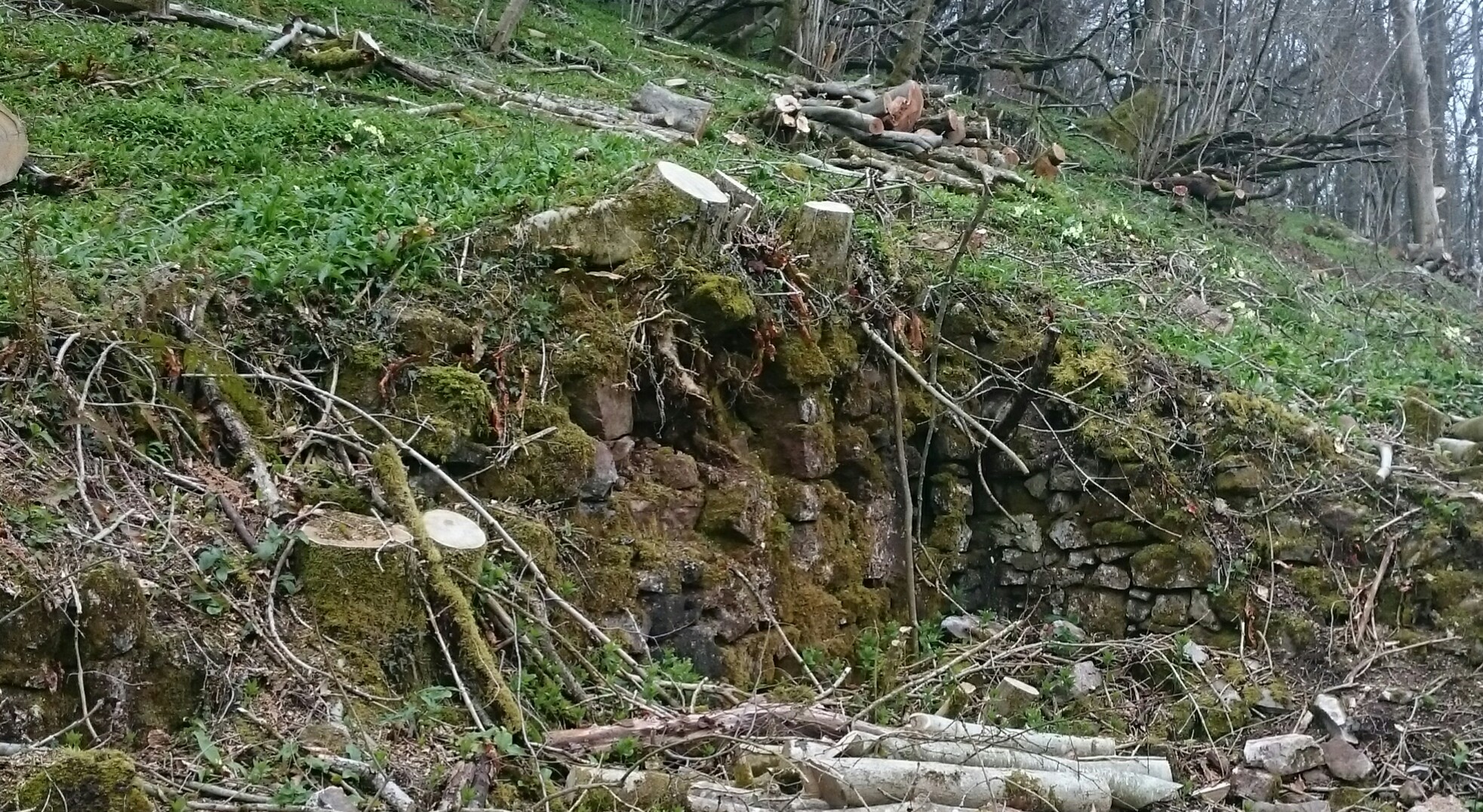
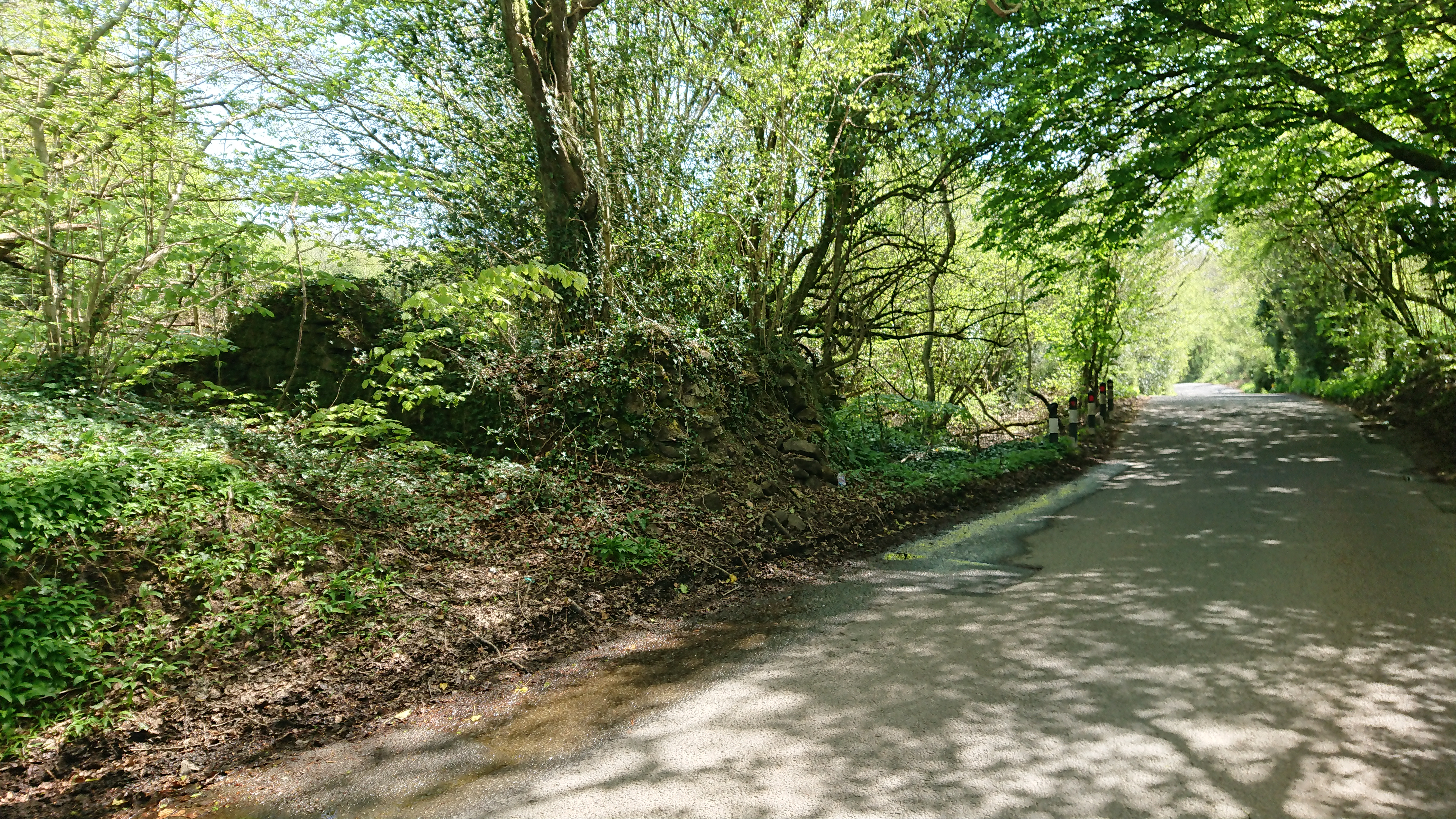
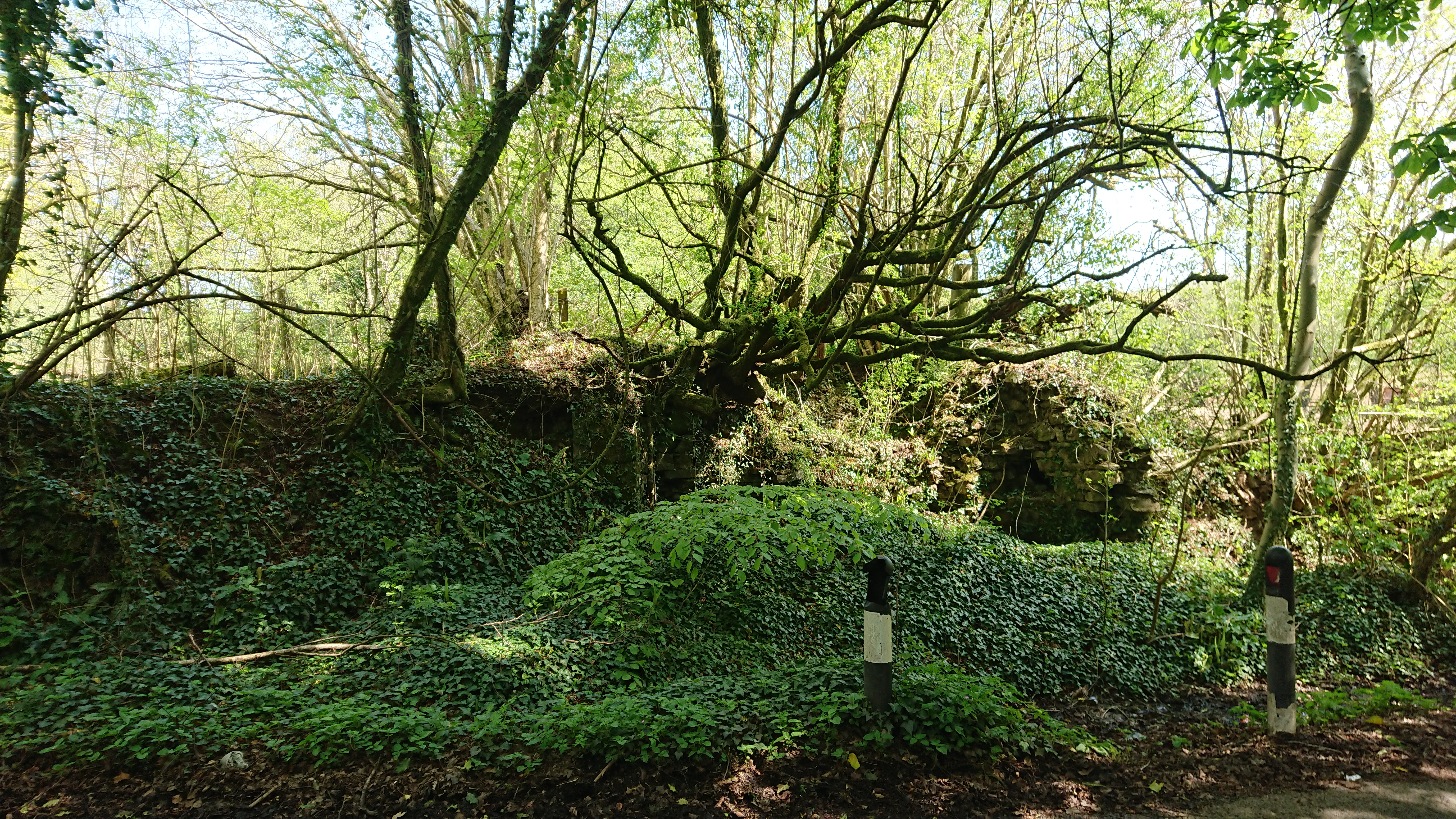
But looking at the tithe plan for Deri-duon, I spotted a couple more, probably just cottages, on the lanes north of Cefn-Onn country park. Time for another look … and what are these, on the lane down from the ridge past Transh yr Hebog towards Lisvane: a building
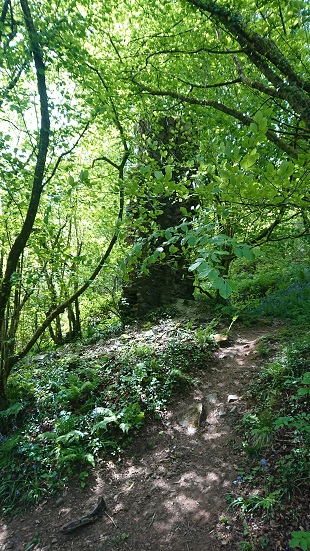
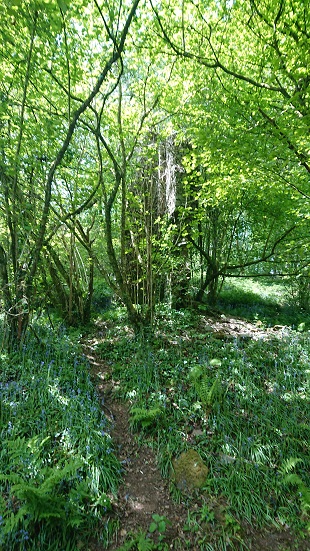
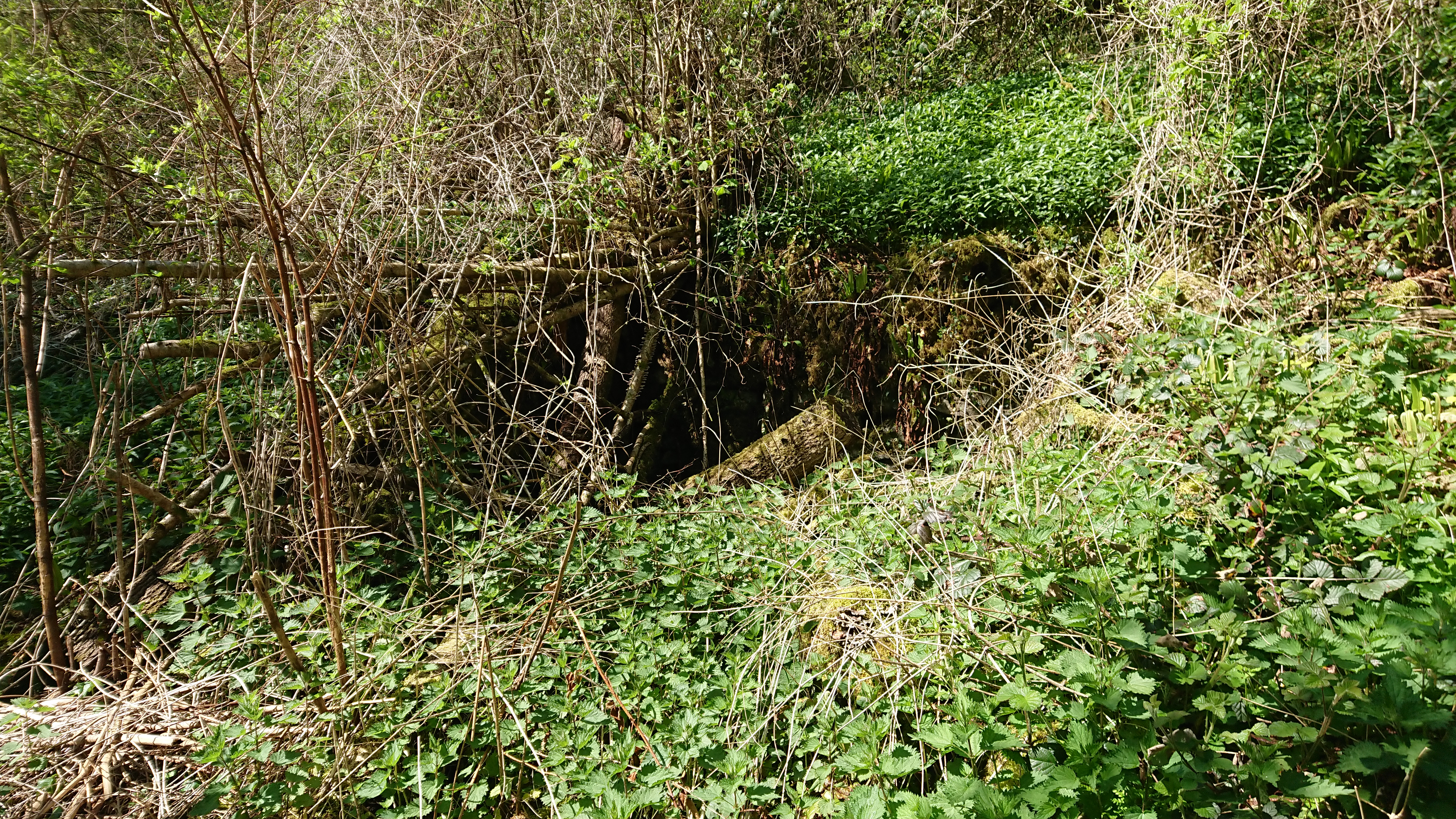
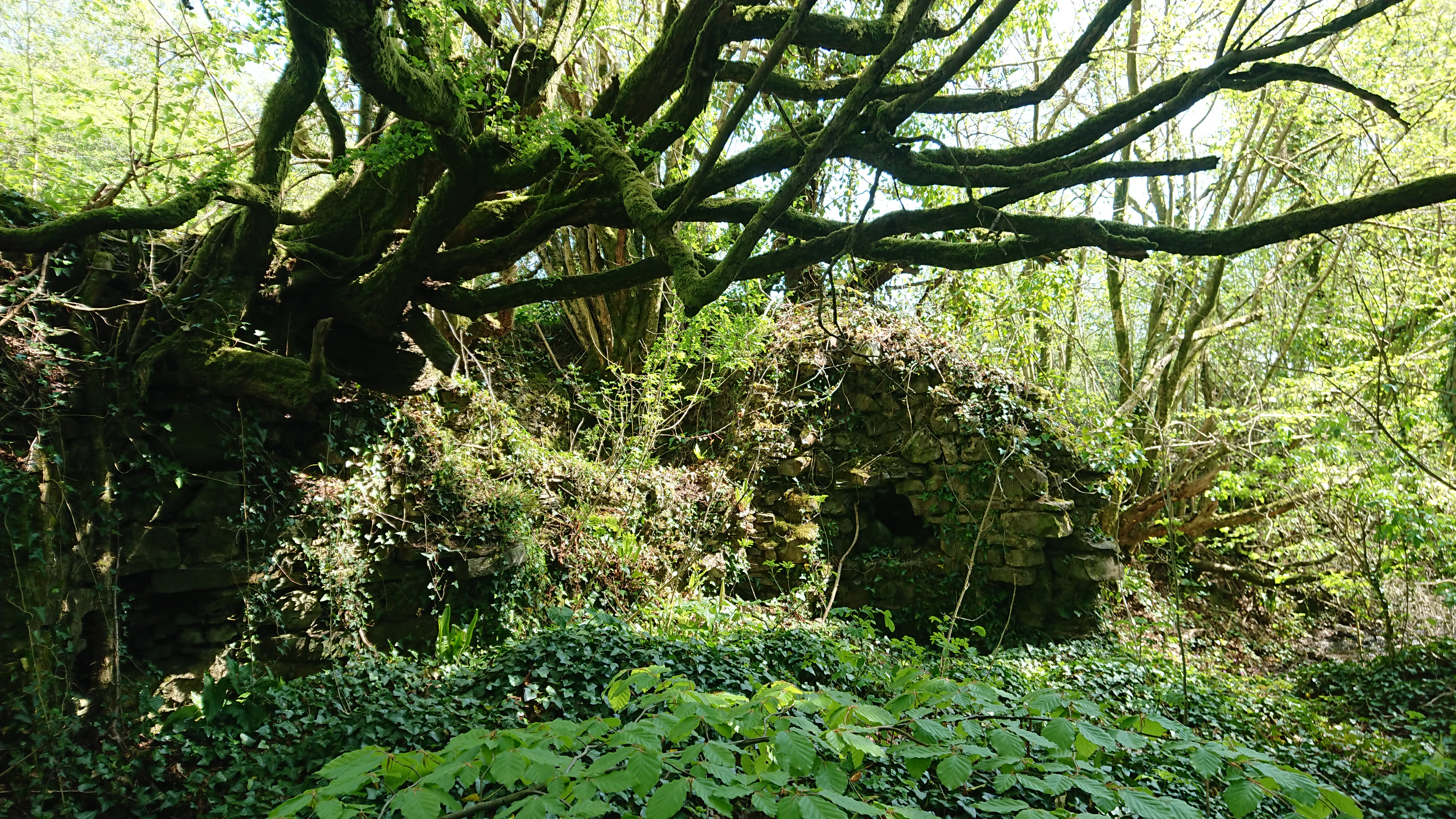
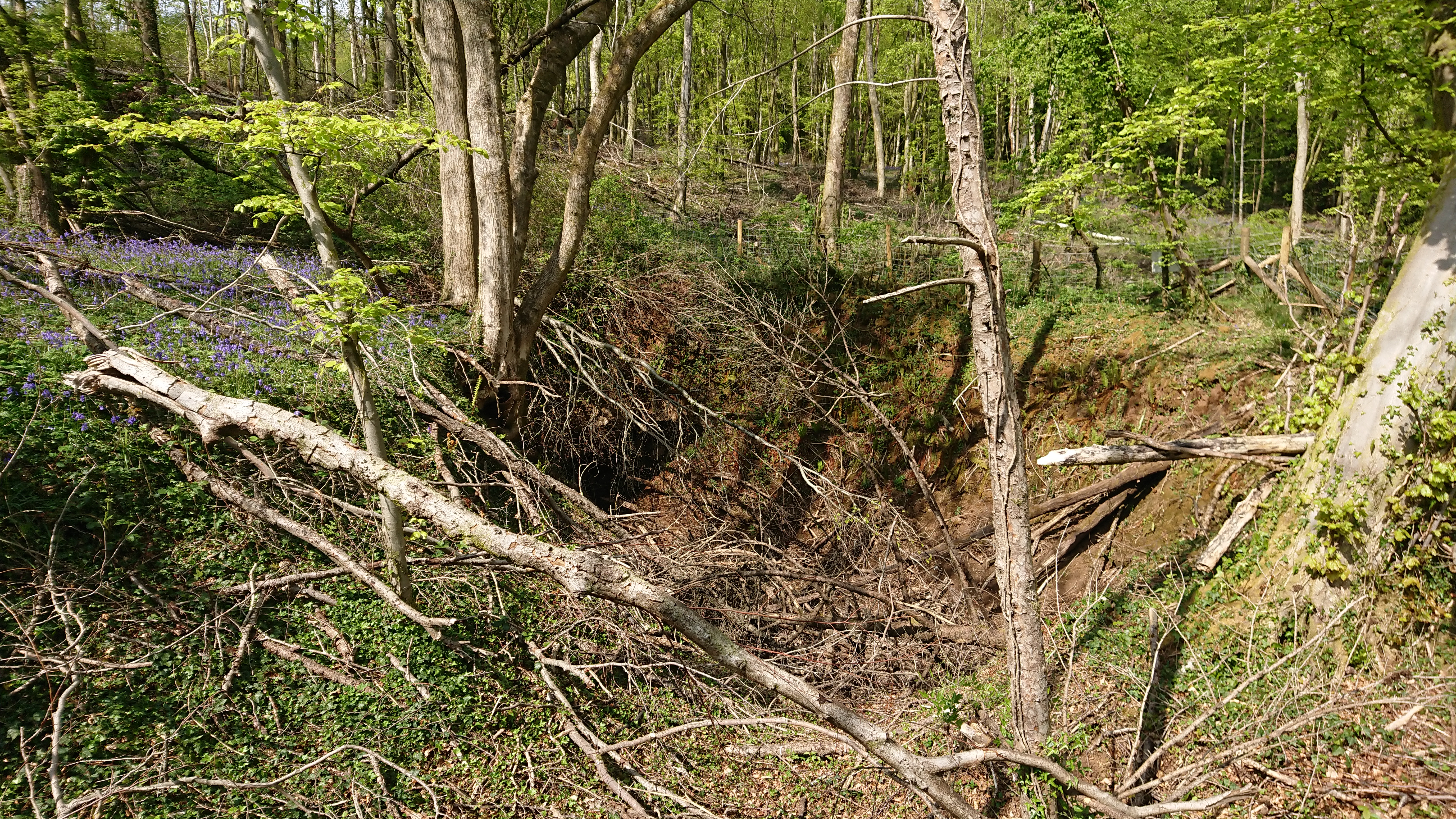
and an adit?
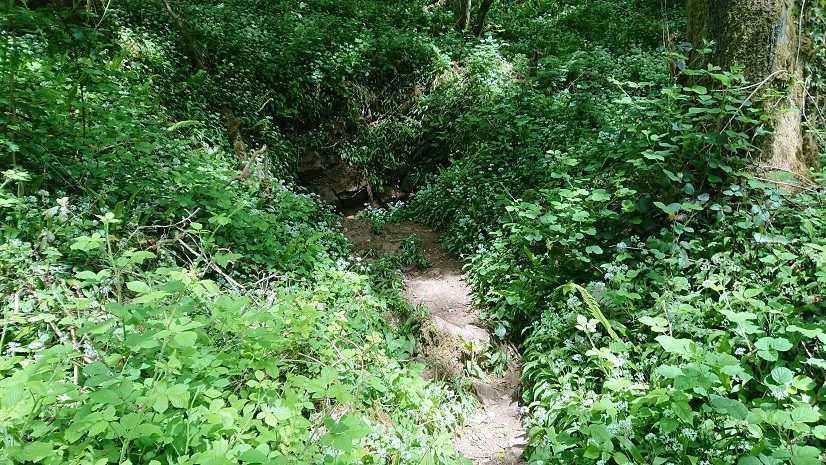
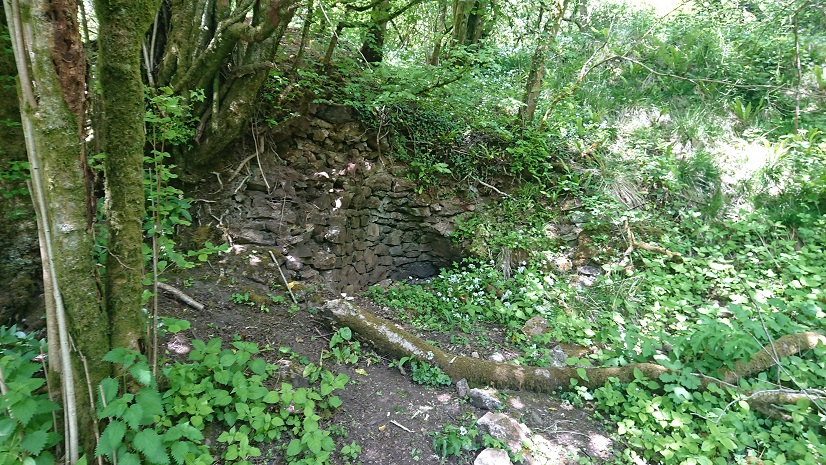
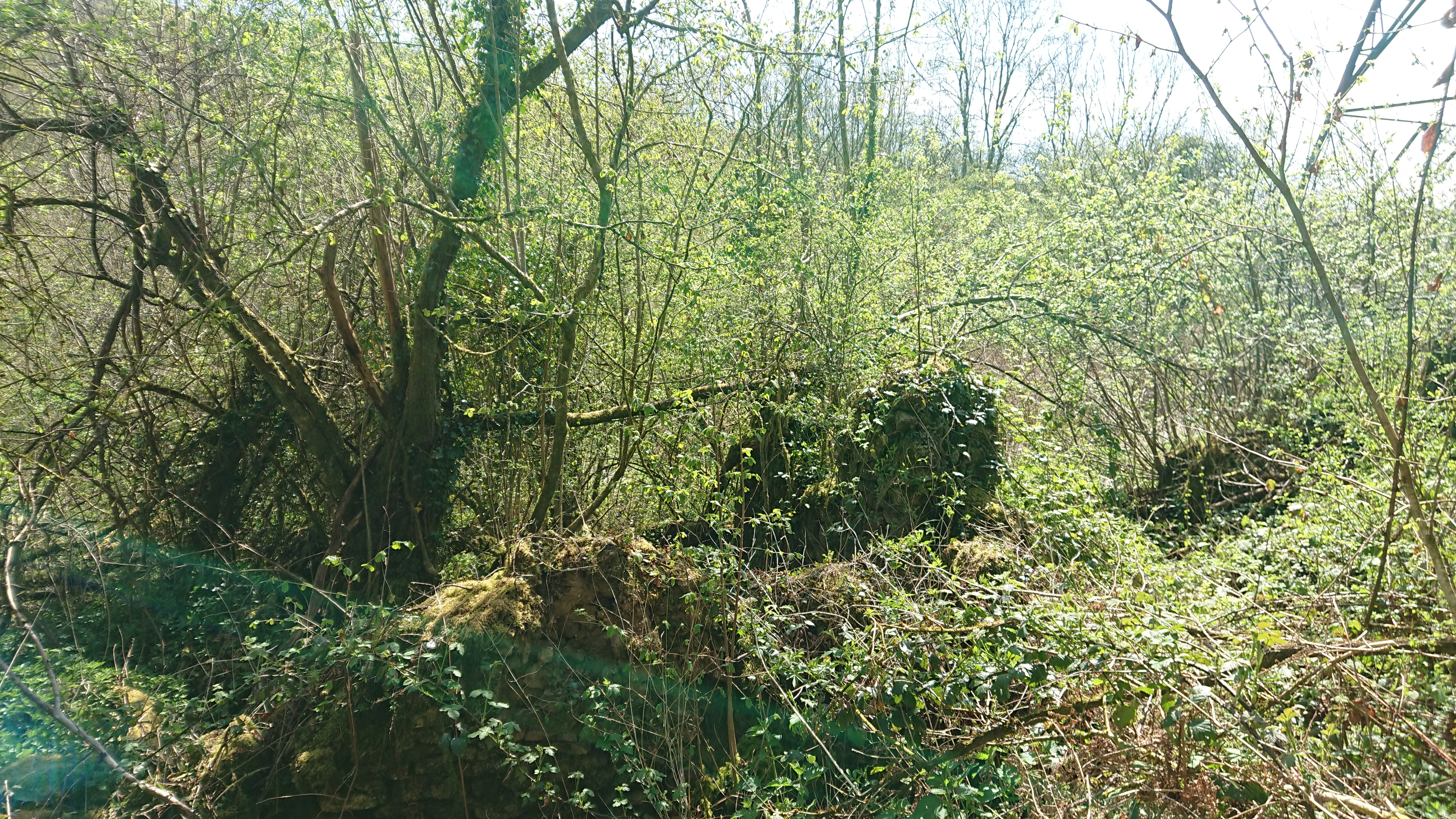
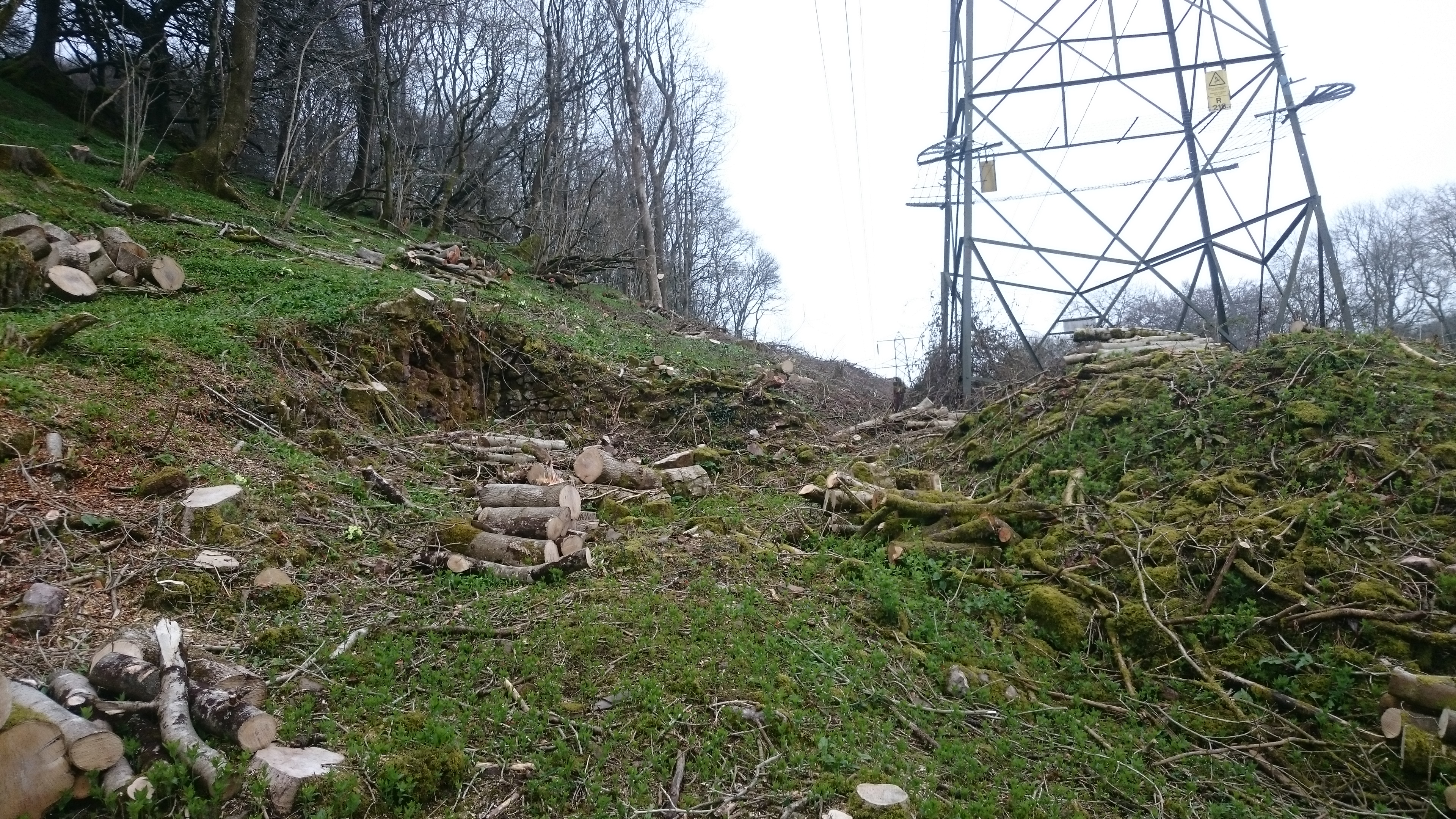
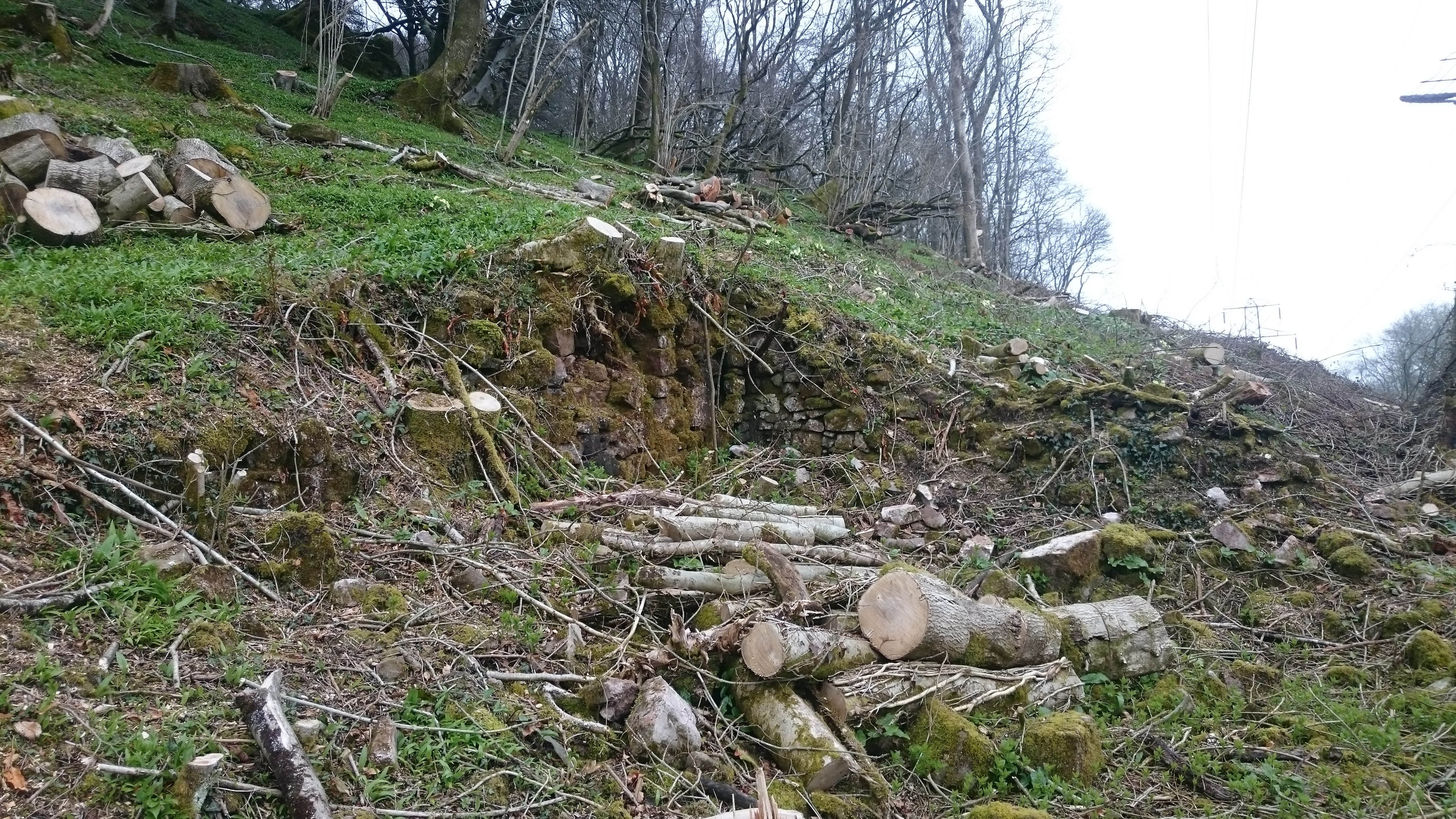
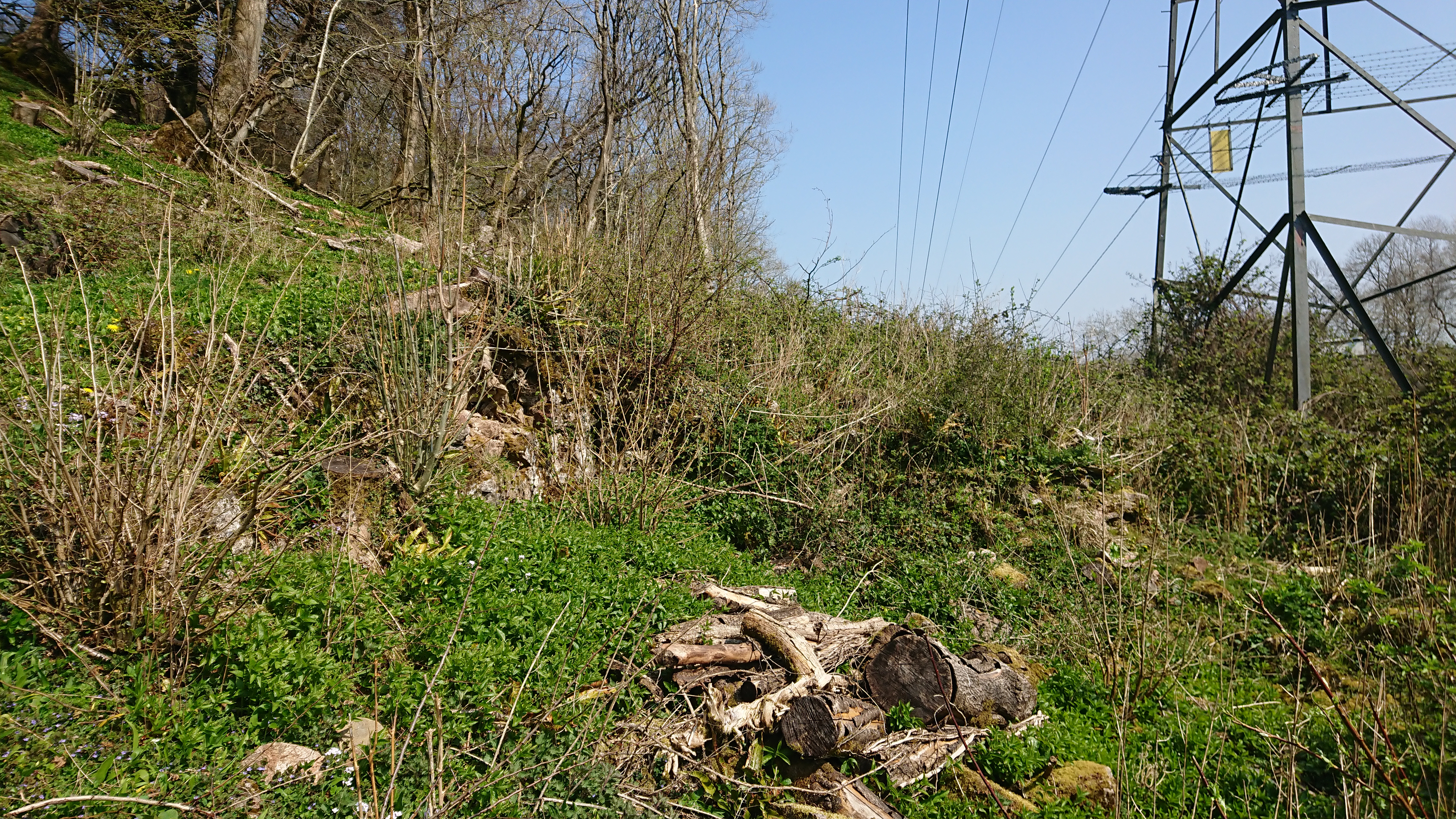
And is this another lime kiln, a bit further along the lane from Bwlch-y-gelli to Blaen-nofydd?
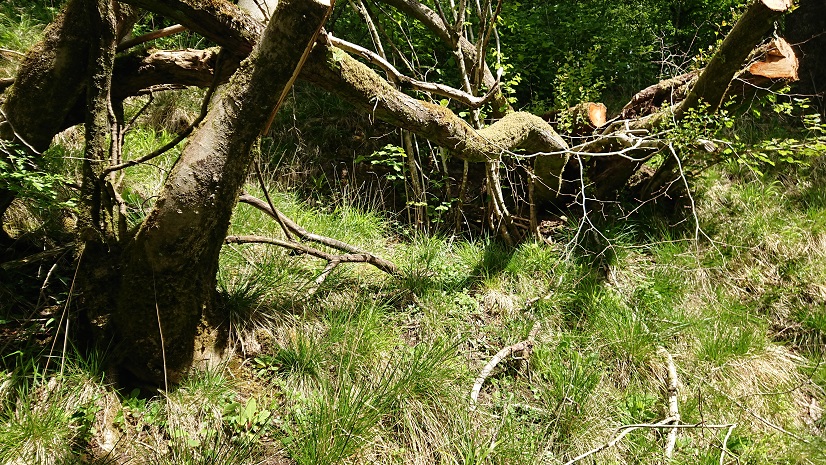
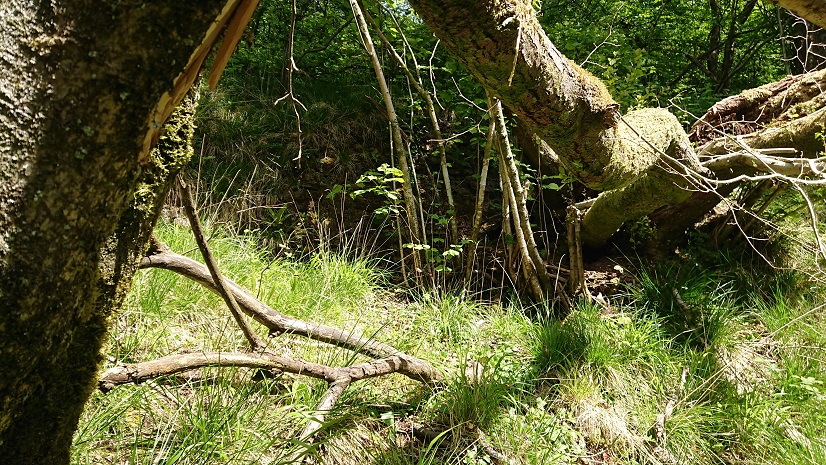
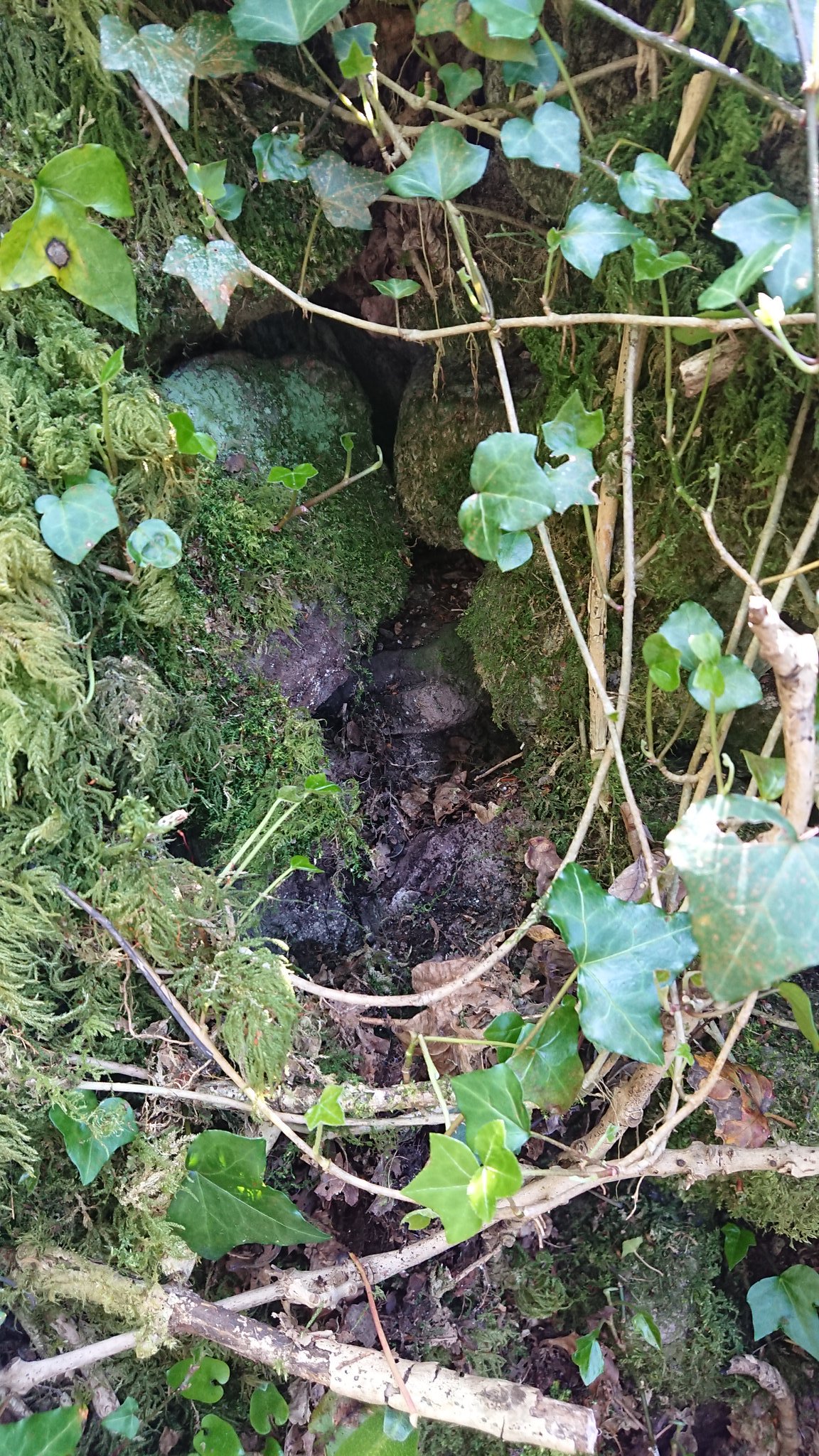
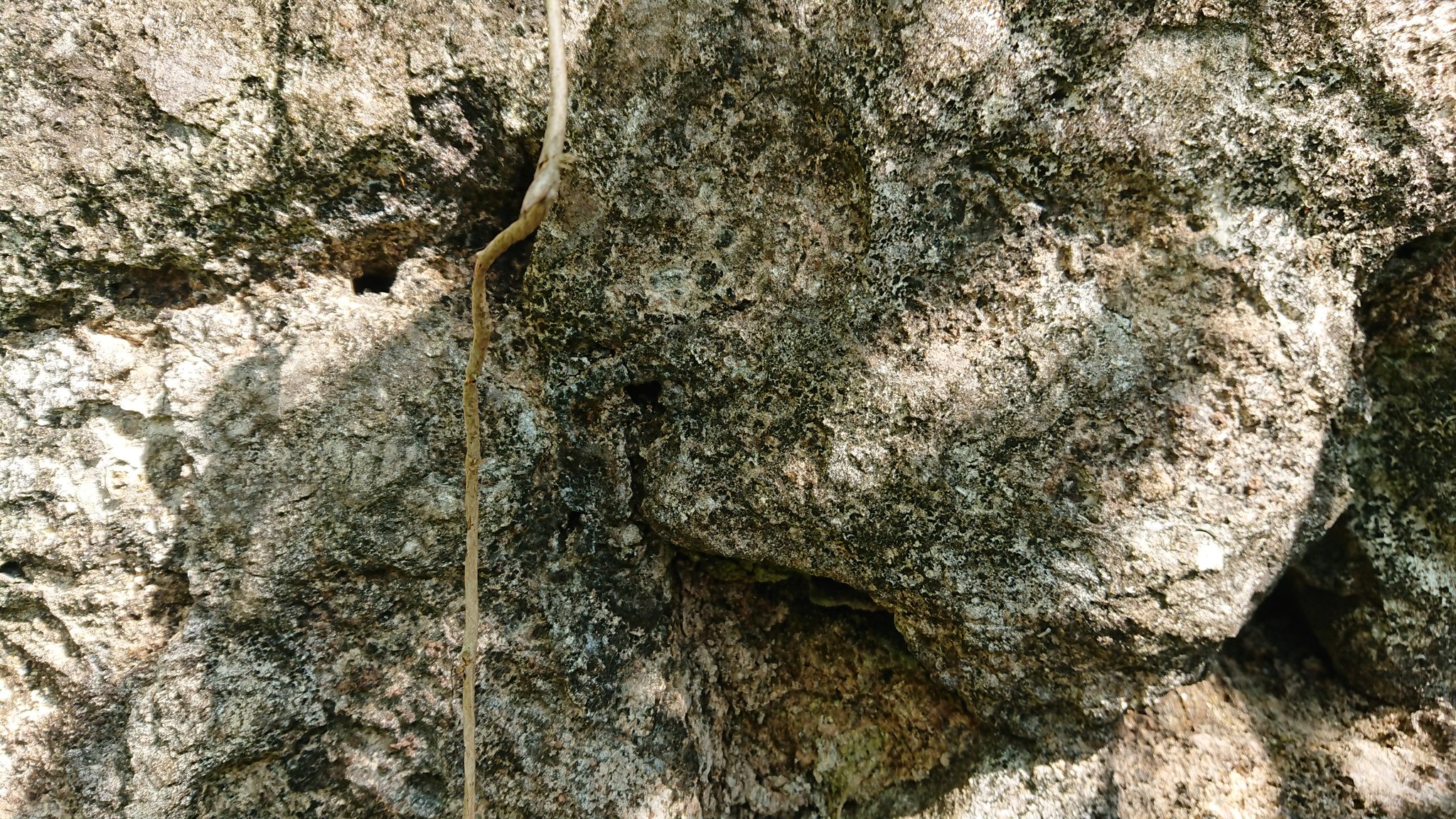
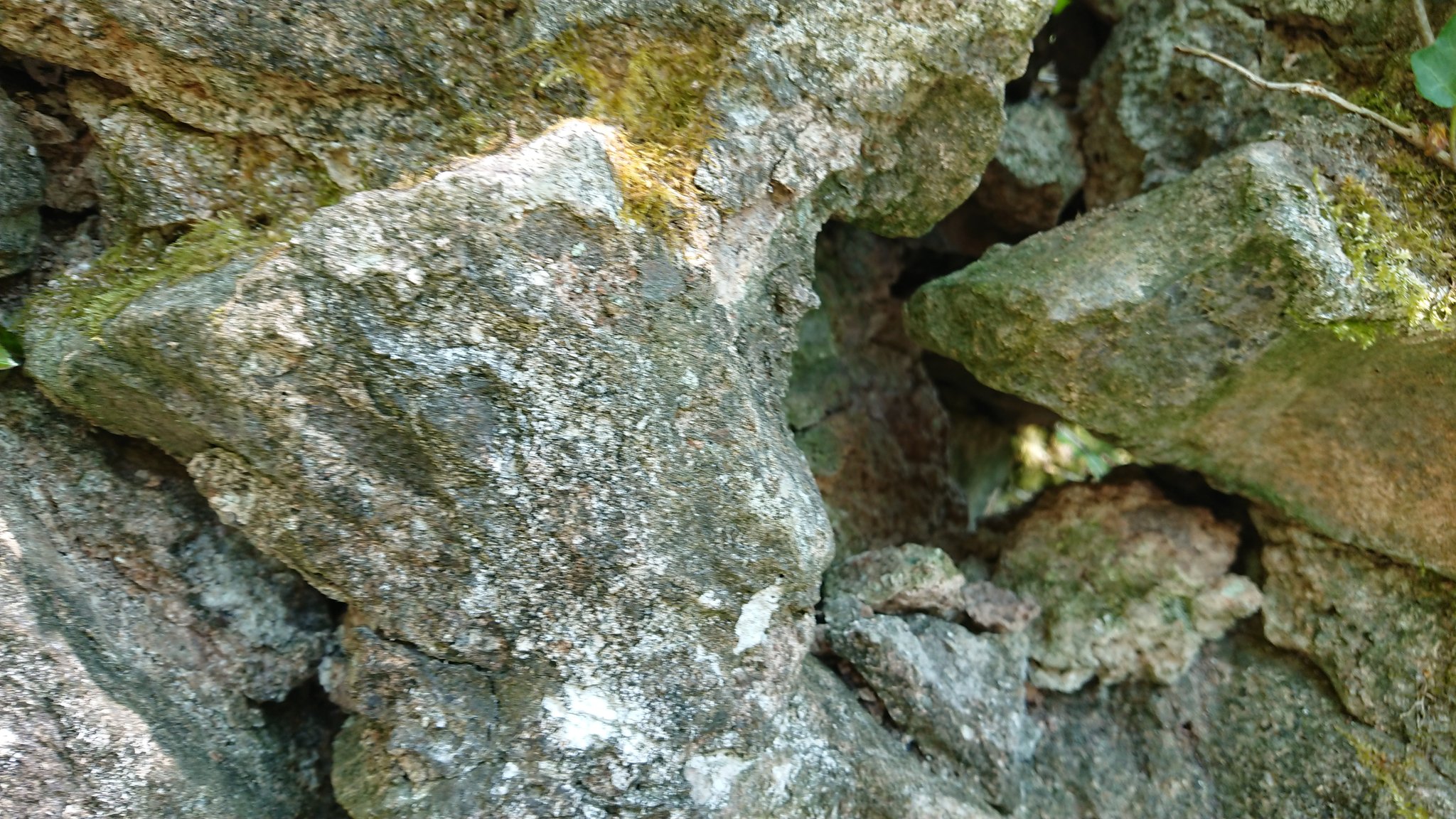
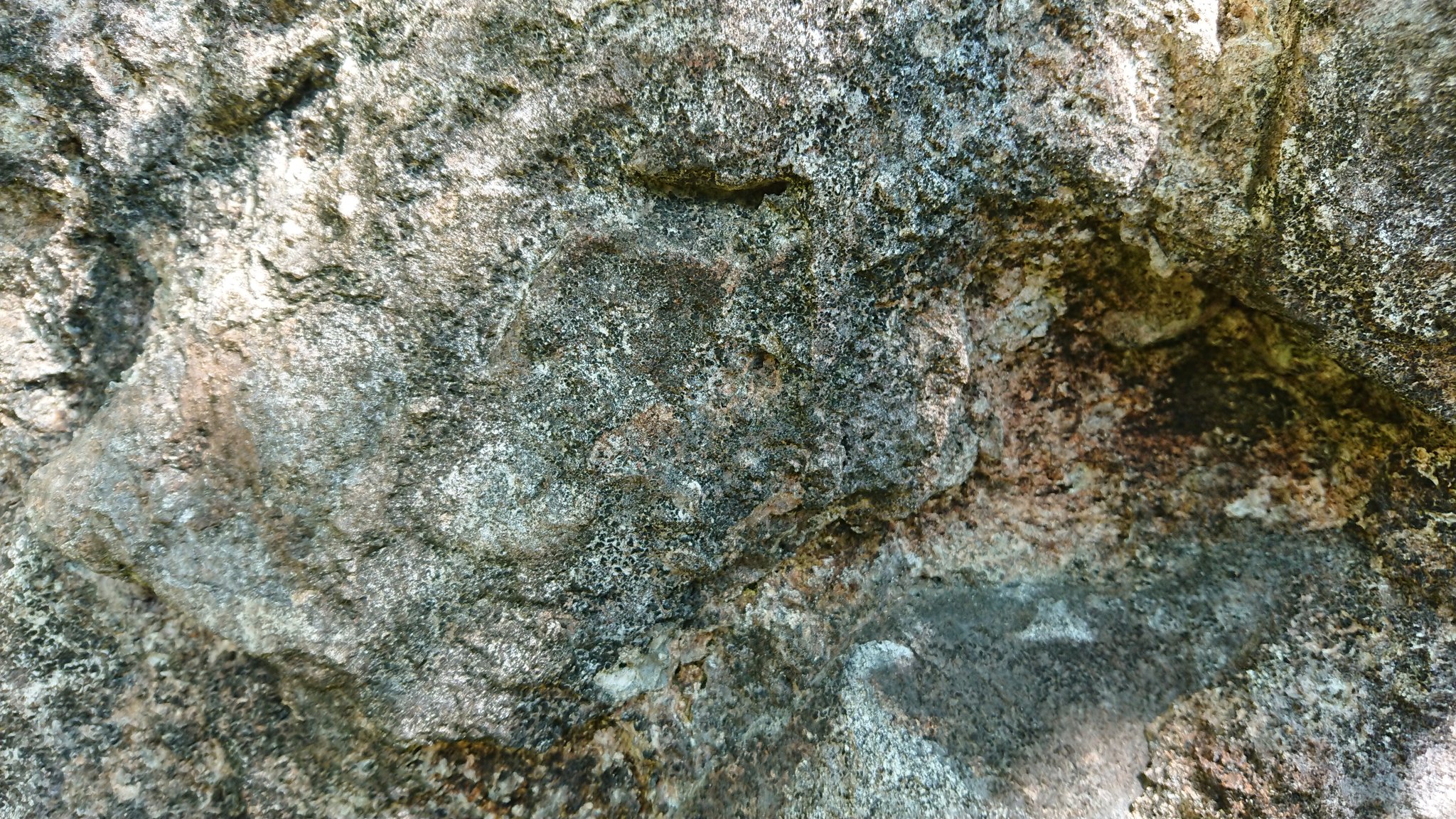
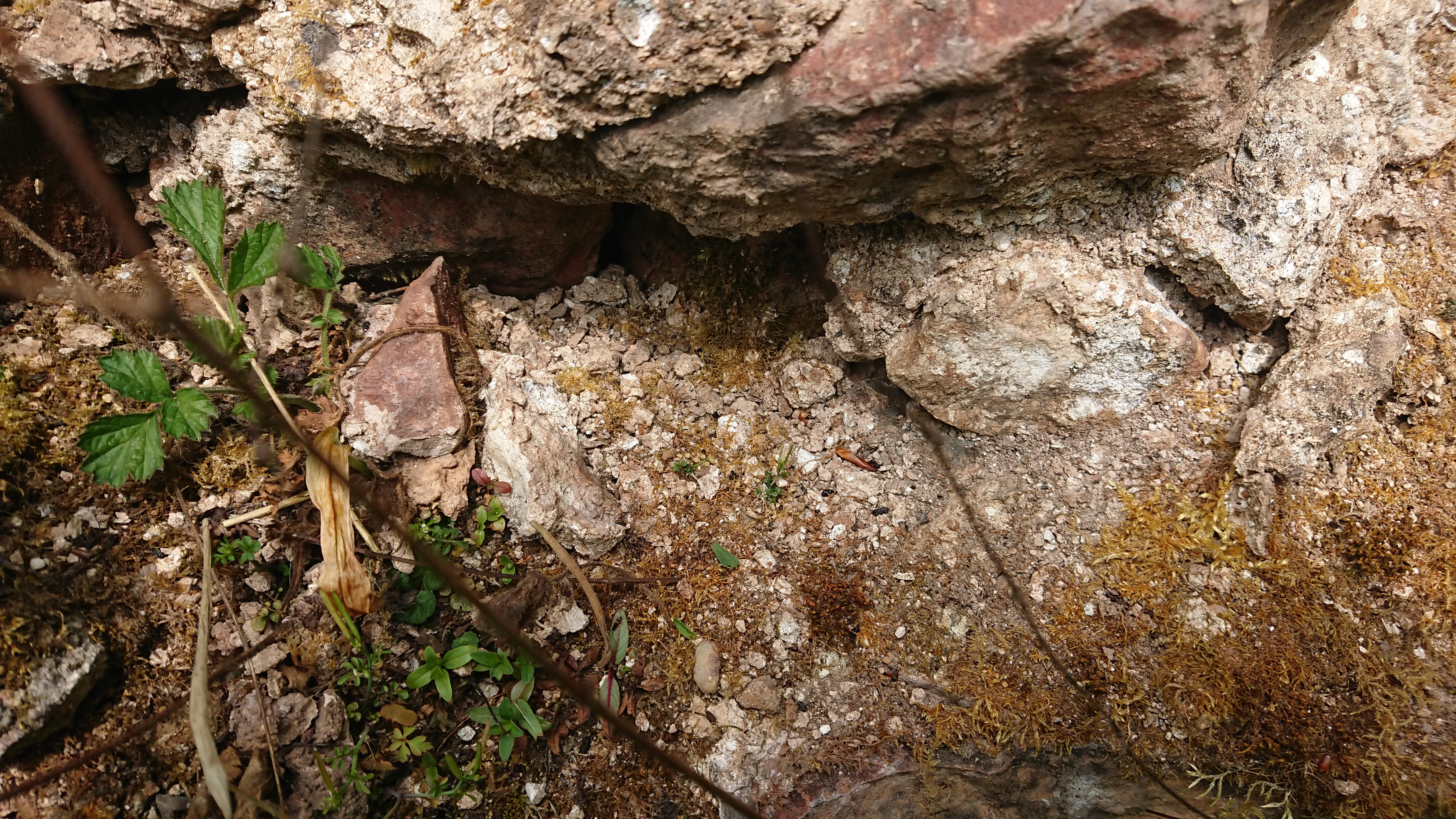
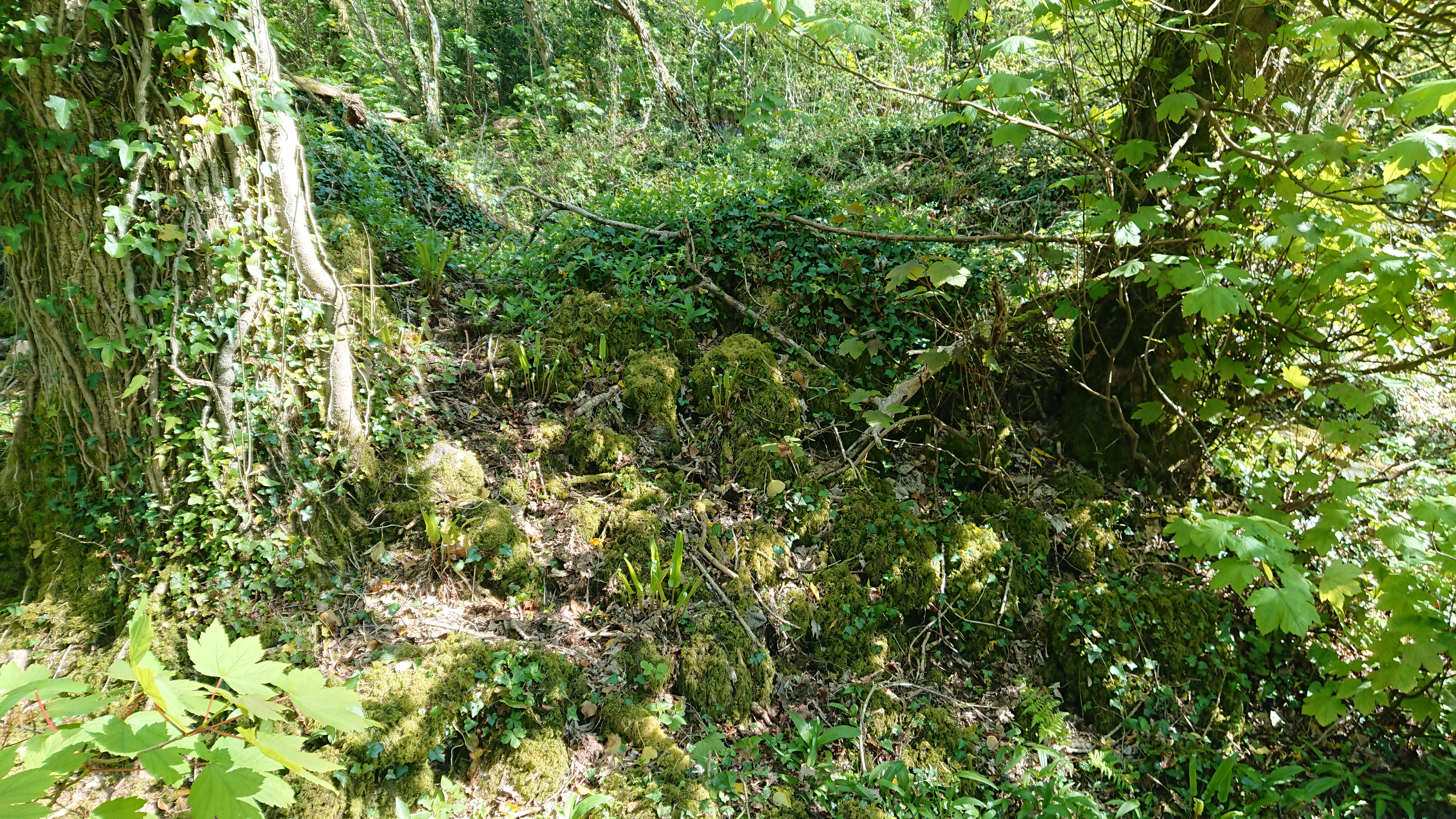
and back at Deri-duon, some nice creamy-white mortar for @AncientTorfaen!